- MSCI China Index has lost about 17% since end of 2013
MSCI中国指数自2013年底以来已下跌约17% - Investor skepticism abounds as authorities mull stimulus
随着当局考虑刺激措施,投资者普遍持怀疑态度
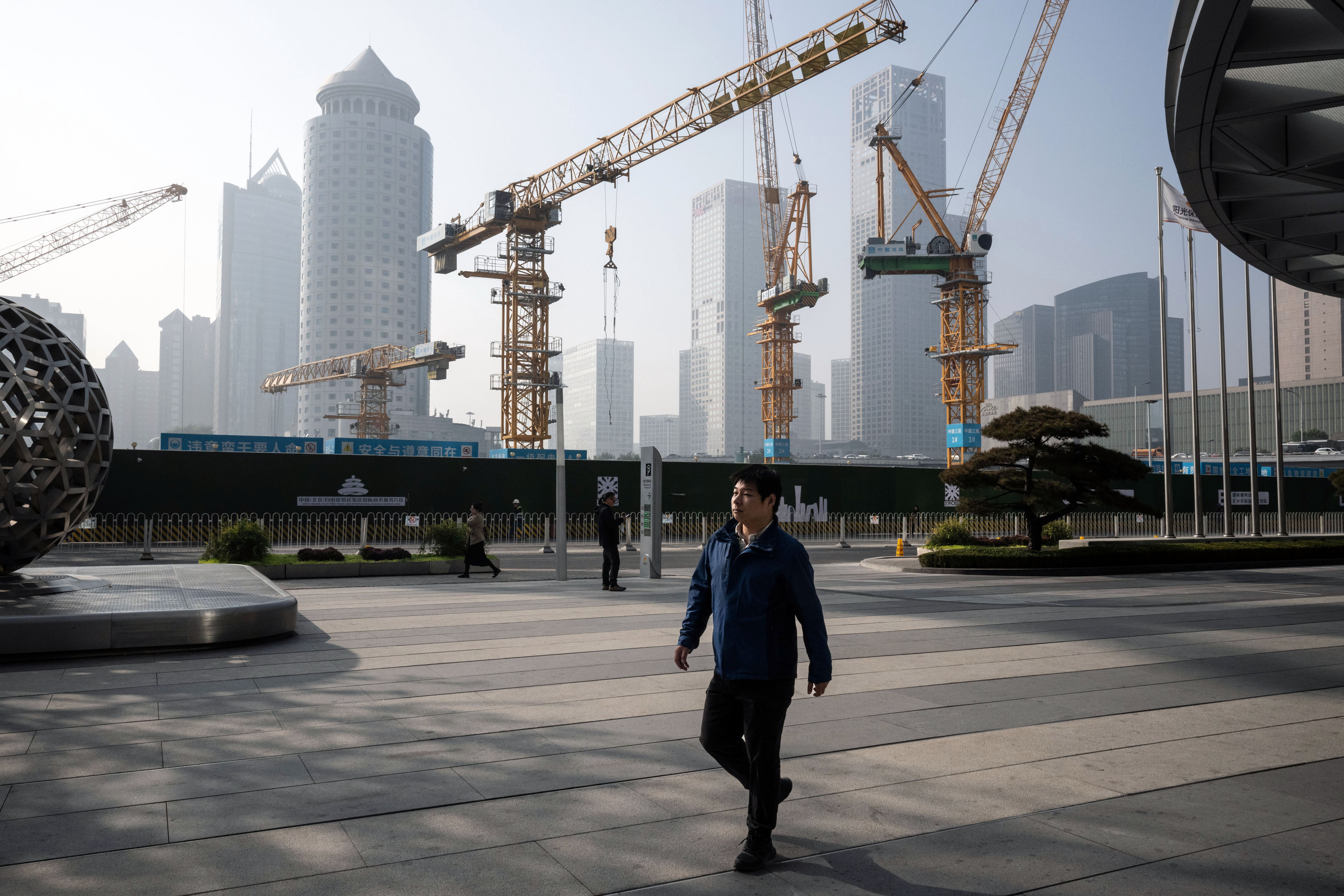
A morning commuter in the central business district in Beijing. 北京中央商务区的一名早晨通勤者。来源:彭博社
更新于 2024 年 1 月 26 日 GMT+8 22:53
A tumultuous week for Chinese stocks underscores Beijing’s challenge in reviving a market that’s already suffered a lost decade of equity returns.
中国股市动荡的一周突显了中国政府在重振已经遭受十年股市回报损失的市场方面面临的挑战。
The MSCI China Index has fallen about 17% since the end of 2013, a period that saw equity gauges in the US and India at least double. It’s a disturbing track record for investors who bought into China’s economic growth story, only to be hammered by sudden flare-ups of geopolitical tensions, unpredictable regulatory clampdowns and the state’s growing control over private enterprises.
自 2013 年底以来,MSCI 中国指数已下跌约 17%,同期美国和印度的股市指数至少上涨了一倍。对于那些相信中国经济增长故事的投资者来说,这是一个令人不安的记录,但他们却受到突然爆发的地缘政治紧张局势、不可预测的监管打压以及国家对私营企业日益加强的控制的打击。
All of this explains the prevailing sense of caution despite a rare string of positive policy news this week. The economy still faces a myriad of problems including a property crisis and deflationary pressure. Some global money managers are asking for bold steps to shift away from the state-driven economic model and reduce frictions with the US — a tough ask that won’t come easily.
所有这些都解释了尽管本周出现了一系列罕见的积极政策消息,但人们普遍保持谨慎态度。经济仍面临房地产危机、通货紧缩压力等诸多问题。一些全球基金经理要求采取大胆措施,摆脱国家驱动的经济模式,减少与美国的摩擦——这是一个艰难的要求,并不容易实现。
“China turned away from the free markets, leading the stock market to suffer a drastic three-year decline,” said Belita Ong, chairman at Dalton Investments LLC in the US. “The economy is paying the price of a huge real estate bubble, the wolf warrior period hasn’t gained China many friends, and using state owned firms to allocate resources has stunted growth.”
美国道尔顿投资有限责任公司(Dalton Investments LLC)董事长贝利塔·翁(Belita Ong)表示:“中国背离了自由市场,导致股市连续三年大幅下跌。” “经济正在付出巨大的房地产泡沫的代价,战狼时期并没有为中国赢得很多朋友,利用国有企业配置资源阻碍了增长。”

The MSCI China gauge rose more than 3% this week in its first advance in 2024, as the central bank ramped up easing and authorities were said to mull a rescue package including a market stabilization fund. Still, from a peak in February 2021, the gauge has fallen nearly 60%.
摩根士丹利资本国际 (MSCI) 中国指数本周上涨超过 3%,这是 2024 年以来的首次上涨,原因是央行加大了宽松力度,据称当局正在考虑包括市场稳定基金在内的救助计划。尽管如此,该指标仍较 2021 年 2 月的峰值下跌了近 60%。
An influx of global money has supported Chinese stocks’ rebound this week. A total $11.9 billion was allocated to Chinese stocks in the week through Jan. 24, the second-highest weekly tally ever, Bank of America Corp. strategists said in a note, citing EPFR data.
全球资金涌入支撑了本周中国股市的反弹。美国银行策略师在一份报告中援引 EPFR 的数据称,截至 1 月 24 日当周,中国股市的资金配置总额为 119 亿美元,创历史第二高。
The question now is whether the rally will resume, or peter out from here.
现在的问题是涨势是否会恢复,或者从这里逐渐消失。
“The latest indication shows that the government certainly wants the capital market to perform better,” said Jian Shi Cortesi, a fund manager at GAM Investment Management. “We expect to see more national team buying.”
GAM投资管理公司基金经理Jian Shi Cortesi表示:“最新迹象表明,政府当然希望资本市场表现更好。” “我们预计会看到更多的国家队购买。”
For asset manager VanEck, cheap valuations mean the market faces an “inflection point,” while Gavekal group’s co-founder considers Chinese equities as currently having the best value in the world.
对于资产管理公司 VanEck 来说,低廉的估值意味着市场面临“拐点”,而 Gavekal 集团的联合创始人则认为中国股票目前具有全球最佳价值。
If the rebound continues to falter, however, it will embolden bears who have long doubted China’s investment worthiness. Steadily deteriorating expectations on China’s growth explain about 75% of the equity rout since August, trumping worries about US macro shocks and global risks, a model from Bloomberg Economics shows.
然而,如果反弹继续停滞,长期怀疑中国投资价值的空头就会更加大胆。彭博经济研究的一个模型显示,自 8 月份以来股市暴跌的 75% 归因于对中国经济增长的预期不断恶化,这一预期压倒了对美国宏观冲击和全球风险的担忧。

Source: Bloomberg 资料来源:彭博社
A puzzle for China watchers is how badly equities have performed despite the economy’s solid growth at about a 6% annual rate over the past decade. While that allowed the country to transition into a formidable global power, aided by export growth and tech prowess, the gains have failed to materialize into sustainable equity returns.
让中国观察家感到困惑的是,尽管过去十年中国经济以年增长率约 6% 的稳健增长,但股市表现却如此糟糕。尽管这使得该国在出口增长和技术实力的帮助下转型为强大的全球强国,但这些成果未能转化为可持续的股票回报。
With concerns that China may even be going through a “Japanification,” investors say stimulus measures including more fiscal support and looser monetary conditions are needed at the very least to revive earnings and consumer spending.
由于担心中国甚至可能经历“日本化”,投资者表示,至少需要采取刺激措施,包括更多财政支持和更宽松的货币条件,以重振盈利和消费者支出。
“To break the confidence trap, market needs to confirm that China has shifted its cards of priorities, to put growth ahead with a rhetoric similar to ‘whatever it takes’,” said Xiadong Bao, fund manager at Edmond de Rothschild Asset Management. “All the supporting measures announced so far are too defensive to revert the deterioration trend.”
“为了打破信心陷阱,市场需要确认中国已经改变了优先顺序,用类似于‘不惜一切代价’的言辞来推动增长,”爱德蒙德罗斯柴尔德资产管理公司(Edmond de Rothschild Asset Management)基金经理鲍夏东(Xiadong Bao)表示。 “迄今为止宣布的所有支持措施都过于防御性,无法扭转恶化趋势。”
Once that boost has dissipated, however, concerns are that deeper woes arising from its tensions with the US, the suppression of entrepreneurship and an uncertain policy roadmap will again dog markets. President Xi Jinping’s drive for “common prosperity” is also raising uncertainty about business prospects.
然而,一旦这种提振消退,人们担心,由于与美国的紧张关系、对企业家精神的压制以及不确定的政策路线图而产生的更深层次的困境将再次困扰市场。习近平主席推动“共同繁荣”也增加了商业前景的不确定性。
“Xi Jinping continues to scare investors,” said Raphael Gallardo, chief economist at Carmignac Gestion. “The only hope we have is that with the stock market crash, China will perhaps accelerate stimulus.”
Carmignac Gestion 首席经济学家拉斐尔·加拉多 (Raphael Gallardo) 表示:“习近平继续吓唬投资者。” “我们唯一的希望是,随着股市崩盘,中国或许会加速刺激政策。”