Technology is the key as the war becomes “positional”, says Valery Zaluzhny 随着战争变得“阵地化”,技术是关键,瓦列里·扎卢日尼说
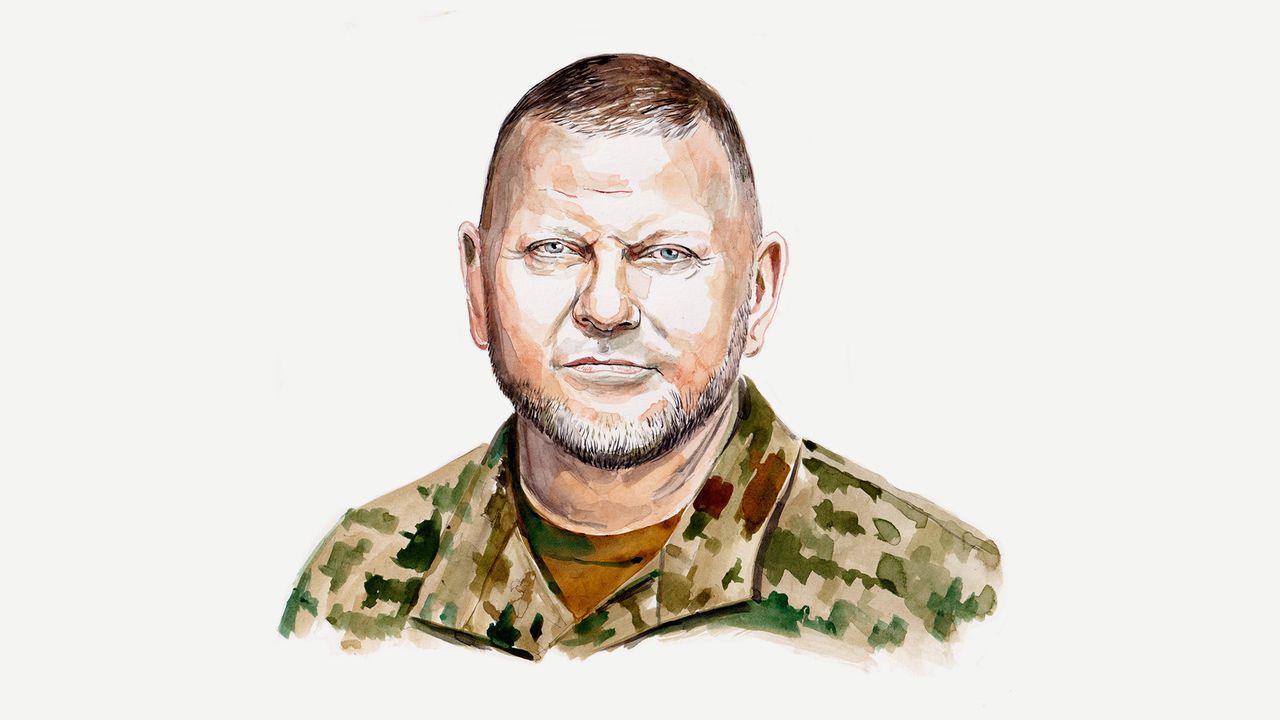 image: dan williams
Nov 1st 2023
Russia’s invasion of Ukraine in February 2022 provoked a global security crisis. The assault on democracy by a morally sick imperial power in the heart of Europe has tilted the balance of power in other parts of the world, including the Middle East and Asia-Pacific. The failure of multilateral bodies such as the un and Organisation for Security and Cooperation in Europe to maintain order means that Ukraine can only restore its territorial integrity by military force.
R 2022 年 2 月,俄罗斯入侵乌克兰,引发了一场全球安全危机。欧洲心脏地带一个道德上有病的帝国主义对民主的攻击已经扭曲了世界其他地区的力量平衡,包括中东和亚太地区。联合国和欧洲安全与合作组织等多边机构未能维持秩序,这意味着乌克兰只能通过军事力量恢复其领土完整。
Ukrainians have shown their willingness to lay down soul and body for their freedom. Ukraine not only halted an invasion by a far stronger enemy but liberated much of its territory. However, the war is now moving to a new stage: what we in the military call “positional” warfare of static and attritional fighting, as in the first world war, in contrast to the “manoeuvre” warfare of movement and speed. This will benefit Russia, allowing it to rebuild its military power, eventually threatening Ukraine’s armed forces and the state itself. What is the way out?
乌克兰人已经表明他们愿意为自由献出灵魂和身体。乌克兰不仅阻止了更强大的敌人的入侵,还解放了大部分领土。然而,战争现在正在进入一个新阶段:我们在军队中称之为静态和消耗战的“阵地”战,就像第一次世界大战一样,与运动和速度的“机动”战形成鲜明对比。这将使俄罗斯受益,使其能够重建其军事力量,最终威胁到乌克兰的武装部队和国家本身。出路是什么?
Basic weapons, such as missiles and shells, remain essential. But Ukraine’s armed forces need key military capabilities and technologies to break out of this kind of war. The most important one is air power. Control of the skies is essential to large-scale ground operations. At the start of the war we had 120 warplanes. Of these, only one-third were usable.
导弹和炮弹等基本武器仍然是必不可少的。但乌克兰武装部队需要关键的军事能力和技术来摆脱这种战争。最重要的是空中力量。对天空的控制对于大规模地面行动至关重要。战争开始时,我们有 120 架战机。其中,只有三分之一可用。
Russia’s air force has taken huge losses and we have destroyed over 550 of its air-defence systems, but it maintains a significant advantage over us and continues to build new attack squadrons. That advantage has made it harder for us to advance. Russia’s air-defence systems increasingly prevent our planes from flying. Our defences do the same to Russia. So Russian drones have taken over a large part of the role of manned aviation in terms of reconnaissance and air strikes.
俄罗斯空军损失惨重,我们摧毁了550多个防空系统,但它仍然保持着比我们更大的优势,并继续建立新的攻击中队。这种优势使我们更难前进。俄罗斯的防空系统越来越多地阻止我们的飞机飞行。我们的防御对俄罗斯也是如此。因此,俄罗斯无人机在侦察和空袭方面已经接管了载人航空的很大一部分角色。
Drones must be part of our answer, too. Ukraine needs to conduct massive strikes using decoy and attack drones to overload Russia’s air-defence systems. We need to hunt down Russian drones using our own hunter drones equipped with nets. We must use signal-emitting decoys to attract Russian glide bombs. And we need to blind Russian drones’ thermal cameras at night using stroboscopes.
无人机也必须成为我们答案的一部分。乌克兰需要使用诱饵和攻击无人机进行大规模打击,以使俄罗斯的防空系统超载。我们需要使用我们自己的配备网的猎人无人机追捕俄罗斯无人机。我们必须使用发射信号的诱饵来吸引俄罗斯的滑翔炸弹。我们需要在夜间使用频闪仪使俄罗斯无人机的热像仪失明。
This points to our second priority: electronic warfare (ew), such as jamming communication and navigation signals. EW is the key to victory in the drone war. Russia modernised its ew forces over the past decade, creating a new branch of its army and building 60 new types of equipment. It outdoes us in this area: 65% of our jamming platforms at the start of the war were produced in Soviet times.
这指向了我们的第二个优先事项:电子战(ew),例如干扰通信和导航信号。电子战是无人机战争胜利的关键。在过去十年中,俄罗斯对其电子战部队进行了现代化改造,创建了一支新的军队,并建造了60种新型装备。它在这方面胜过我们:战争开始时我们 65% 的干扰平台是在苏联时期生产的。
We have already built many of our own electronic protection systems, which can prevent jamming. But we also need more access to electronic intelligence from our allies, including data from assets that collect signals intelligence, and expanded production lines for our anti-drone ew systems within Ukraine and abroad. We need to get better at conducting electronic warfare from our drones, across a wider range of the radio spectrum, while avoiding accidental suppression of our own drones.
我们已经建立了许多自己的电子保护系统,可以防止干扰。但我们也需要更多地从我们的盟友那里获得电子情报,包括来自收集信号情报的资产的数据,以及我们在乌克兰和国外的反无人机电子战系统的扩大生产线。我们需要更好地利用我们的无人机在更广泛的无线电频谱范围内进行电子战,同时避免意外压制我们自己的无人机。
The third task is counter-battery fire: defeating enemy artillery. In this war, as in most past wars, artillery, rocket and missile fire make up 60-80% of all the military tasks. When we first received Western guns last year, we were quite successful at locating and striking Russian artillery. But the effectiveness of weapons such as Excalibur, a gps-guided American shell, has declined dramatically owing to improved Russian electronic warfare.
第三个任务是反炮火:击败敌方炮兵。在这场战争中,与过去的大多数战争一样,火炮、火箭和导弹的火力占所有军事任务的 60-80%。当我们去年第一次收到西方火炮时,我们在定位和打击俄罗斯火炮方面非常成功。但是,由于俄罗斯电子战的改进,诸如GPS制导的美国炮弹Excalibur等武器的效力已急剧下降。
Meanwhile, Russia’s own counter-battery fire has improved. This is largely thanks to its use of Lancet loitering munitions, which work alongside reconnaissance drones, and its increasing production of precision-guided shells that can be aimed by ground spotters. Despite the dismissive view of some military analysts, we cannot belittle the effectiveness of Russian weapons and intelligence in this regard.
与此同时,俄罗斯自己的反炮火力有所改善。这在很大程度上要归功于它使用了与侦察无人机一起工作的柳叶刀游荡弹药,以及它越来越多地生产可以由地面观察员瞄准的精确制导炮弹。尽管一些军事分析家不屑一顾,但我们不能贬低俄罗斯武器和情报在这方面的有效性。
For now, we have managed to achieve parity with Russia through a smaller quantity of more accurate firepower. But this may not last. We need to build up our local gps fields—using ground-based antennas rather than just satellites—to make our precision-guided shells more accurate in the face of Russian jamming. We need to make greater use of kamikaze drones to strike Russian artillery. And we need our partners to send us better artillery-reconnaissance equipment that can locate Russian guns.
目前,我们已经通过少量更准确的火力实现了与俄罗斯的平等。但这可能不会持续下去。我们需要建立我们的本地GPS场 - 使用地面天线而不仅仅是卫星 - 使我们的精确制导炮弹在面对俄罗斯干扰时更加准确。我们需要更多地利用神风敢死队无人机来打击俄罗斯的炮兵。我们需要我们的合作伙伴向我们发送更好的火炮侦察设备,这些设备可以定位俄罗斯的枪支。
The fourth task is mine-breaching technology. We had limited and outdated equipment for this at the start of the war. But even Western supplies, such as Norwegian mine-clearing tanks and rocket-powered mine-clearing devices, have proved insufficient given the scale of Russian minefields, which stretch back 20km in places. When we do breach minefields, Russia quickly replenishes them by firing new mines from a distance.
第四项任务是破雷技术。在战争开始时,我们的设备有限且过时。但即使是西方的补给品,如挪威的扫雷坦克和火箭动力的扫雷装置,也被证明是不够的,因为俄罗斯的雷场规模很大,有些地方向后延伸了20公里。当我们突破雷区时,俄罗斯会通过从远处发射新的地雷来迅速补充雷区。
Technology is the answer. We need radar-like sensors that use invisible pulses of light to detect mines in the ground and smoke-projection systems to conceal the activities of our de-mining units. We can use jet engines from decommissioned aircraft, water cannons or cluster munitions to breach mine barriers without digging into the ground. New types of tunnel excavators, such as a robot which uses plasma torches to bore tunnels, can also help.
技术就是答案。我们需要类似雷达的传感器,利用不可见的光脉冲来探测地面上的地雷,并需要烟雾投射系统来隐藏我们排雷部队的活动。我们可以使用退役飞机的喷气发动机、水炮或集束弹药来突破地雷障碍,而无需挖掘地下。新型隧道挖掘机,例如使用等离子割炬开挖隧道的机器人,也可以提供帮助。
My fifth and final priority is to build up our reserves. Russia has failed to capitalise on its hefty manpower advantage because Vladimir Putin is worried that a general mobilisation might spark a political crisis, and because Russia cannot train and equip enough people. However, our capacity to train reserves on our own territory is also limited. We cannot easily spare soldiers who are deployed to the front. Moreover, Russia can strike training centres. And there are gaps in our legislation that allow citizens to evade their responsibilities.
我的第五个也是最后一个优先事项是建立我们的储备。俄罗斯未能利用其巨大的人力优势,因为弗拉基米尔·普京(Vladimir Putin)担心总动员可能会引发政治危机,也因为俄罗斯无法培训和装备足够的人员。然而,我们在自己的领土上训练预备役的能力也很有限。我们不能轻易放过被部署到前线的士兵。此外,俄罗斯可以打击训练中心。我们的立法中存在漏洞,允许公民逃避责任。
We are trying to fix these problems. We are introducing a unified register of draftees, and we must expand the category of citizens who can be called up for training or mobilisation. We are also introducing a “combat internship”, which involves placing newly mobilised and trained personnel in experienced front-line units to prepare them.
我们正在努力解决这些问题。我们正在引入一个统一的应征入伍者登记册,我们必须扩大可以被征召参加培训或动员的公民类别。我们还推出了“战斗实习”,将新动员和训练的人员安排在有经验的前线部队中,为他们做好准备。
Russia should not be underestimated. It has suffered heavy losses and expended a lot of ammunition. But it will have superiority in weapons, equipment, missiles and ammunition for a considerable time. Its defence industry is increasing its output, despite unprecedented sanctions. Our nato partners are dramatically increasing their production capacity, too. But it takes at least a year to do this and, in some cases, such as aircraft and command-and-control systems, two years.
俄罗斯不容小觑。它损失惨重,消耗了大量弹药。但它将在相当长的一段时间内在武器、装备、导弹和弹药方面具有优势。尽管遭到了前所未有的制裁,但其国防工业仍在增加产量。我们的北约伙伴也在大幅提高其生产能力。但至少需要一年的时间,在某些情况下,例如飞机和指挥控制系统,需要两年时间。
A positional war is a prolonged one that carries enormous risks to Ukraine’s armed forces and to its state. If Ukraine is to escape from that trap, we will need all these things: air superiority, much-improved electronic-warfare and counter-battery capabilities, new mine-breaching technology and the ability to mobilise and train more reserves. We also need to focus on modern command and control—so we can visualise the battlefield more effectively than Russia and make decisions more quickly—and on rationalising our logistics while disrupting Russia’s with longer-range missiles. New, innovative approaches can turn this war of position back into one of manoeuvre.■
阵地战是一场旷日持久的战争,给乌克兰武装部队及其国家带来巨大风险。如果乌克兰要摆脱这个陷阱,我们将需要所有这些东西:空中优势、大大改进的电子战和反电池能力、新的破雷技术以及动员和训练更多预备队的能力。我们还需要专注于现代指挥和控制——这样我们才能比俄罗斯更有效地可视化战场并更快地做出决策——以及合理化我们的后勤,同时用远程导弹扰乱俄罗斯的后勤。新的、创新的方法可以把这场阵地战重新变成一场机动战。
General Valery Zaluzhny is commander-in-chief of Ukraine’s armed forces. He has held the position since July 2021.
瓦列里·扎卢日尼将军是乌克兰武装部队总司令。他自 2021 年 7 月起担任该职位。