The projects are smaller, the challenge is growing.
项目规模越来越小,挑战却越来越大。
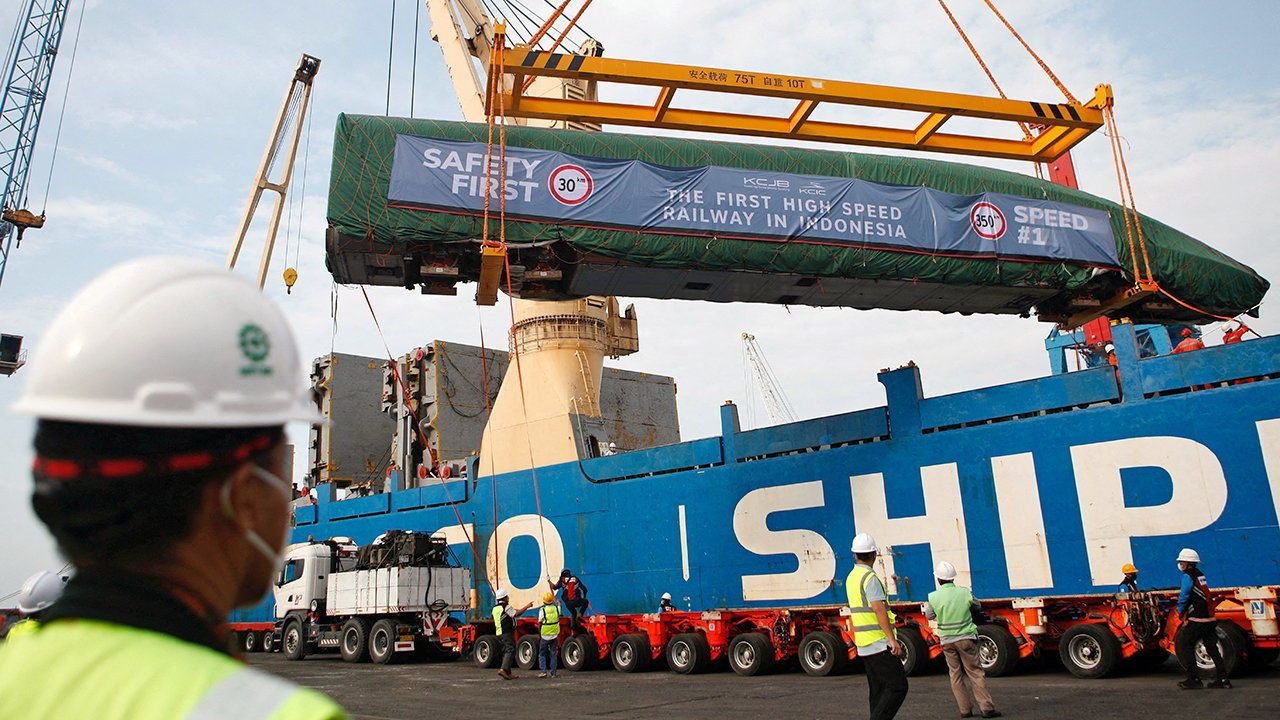 image: reuters
2023年9月7日 经济学人
Ten years ago this week China’s leader, Xi Jinping, began laying the tarmac for what would become his signature foreign policy. He began with vague suggestions of reviving the Silk Road, an ancient network of trade routes linking China with Central Asia, the Middle East, Africa and Europe. When the plan was given an official name—“One Belt, One Road”—it suggested that China was putting itself back at the centre of the world. Later it would be softened, for the benefit of foreign audiences, to the “Belt and Road Initiative”, or bri. Mr Xi modestly hailed it as the “project of the century”.
十年前的本周,中国领导人习近平开始为他标志性的外交政策铺平道路。他首先含糊地建议复兴丝绸之路,这是一条连接中国与中亚、中东、非洲和欧洲的古老贸易路线网络。当该计划被正式命名为“一带一路”时,它表明中国正在将自己重新置于世界中心。后来,为了外国观众的利益,它被软化为“一带一路”倡议。习近平谦虚地称其为“世纪工程”。
In many ways the bri has lived up to the hype. More than 150 countries, accounting for almost 75% of the world’s population and more than half of its gdp, have signed on to the scheme. China has doled out hundreds of billions of dollars in loans and grants for railways, roads and other infrastructure that might otherwise have gone unfunded. Its projects have spanned the globe, from Brazil to Kenya to Laos. Over the past decade China has become the largest creditor and a crucial source of investment in many developing countries. Much of this has been good: many countries badly need better roads.
在很多方面,“一带一路”都没有辜负人们的宣传。超过 150 个国家(占世界人口近 75%、国内生产总值一半以上)已签署该计划。中国已经为铁路、公路和其他基础设施提供了数千亿美元的贷款和赠款,否则这些基础设施可能会缺乏资金。其项目遍布全球,从巴西到肯尼亚再到老挝。过去十年,中国已成为许多发展中国家最大债权国和重要投资来源国。这在很大程度上是好事:许多国家迫切需要更好的道路。
 image: the economist
But time has also exposed the bri’s flaws and China’s self-interest. A number of recipient countries have struggled with debt repayments. As we report this week, China is now adjusting the project, seeking better returns and changing an economic plan into a normative one (see China section). Even as it pours less concrete, it is posing a greater challenge to the West.
但时间也暴露了“一带一路”的缺陷和中国的自身利益。一些受援国一直在为偿还债务而苦苦挣扎。正如我们本周报道的那样,中国目前正在调整该项目,寻求更好的回报,并将经济计划转变为规范性计划(见中国部分)。尽管浇筑的混凝土较少,但它对西方构成了更大的挑战。
The bri’s troubles are no secret. For years Chinese banks used dodgy criteria to lend to dirty regimes. Unsurprisingly, many of the infrastructure projects the banks financed have not succeeded. Some have become white elephants; others have been abandoned. Burdened with debts (not all from bri projects), several countries have teetered on the brink of default. China has made things worse, by shunning other lenders and multilateral institutions, instead conducting debt negotiations bilaterally, secretly and with apparent stubbornness.
布里人的麻烦已不是什么秘密。多年来,中国的银行利用不可靠的标准向肮脏的政权提供贷款。毫不奇怪,银行资助的许多基础设施项目都没有成功。有些已经成为白象;其他人已被遗弃。背负债务负担(并非全部来自“一带一路”项目)的一些国家已经在违约的边缘摇摇欲坠。中国回避其他贷款人和多边机构,而是以双边、秘密和明显固执的方式进行债务谈判,从而使情况变得更糟。
In some ways China seems to have learned a lesson. Its banks have changed their practices. Its lending has become more targeted—not least because China’s own struggling economy has sapped public enthusiasm for the bri (see Chaguan). Mr Xi has urged Chinese investors to focus on “small but beautiful” projects, with higher standards and better returns. There is increasing talk of a “digital silk road”, with a focus on industries like telecommunications and cloud computing.
在某些方面,中国似乎已经吸取了教训。其银行已经改变了做法。它的贷款变得更有针对性——尤其是因为中国自身陷入困境的经济削弱了公众对“一带一路”的热情(见查观)。习近平敦促中国投资者关注“小而美”的项目,要求更高的标准和更好的回报。人们越来越多地谈论“数字丝绸之路”,重点关注电信和云计算等行业。
Yet problems remain. China shows few signs of becoming more transparent. Nor has it become any less hard-nosed. Although it worked with other government creditors to restructure Zambian debt, largely owed to China, it did not agree to a haircut.
但问题依然存在。中国几乎没有表现出变得更加透明的迹象。它也没有变得不那么顽固。尽管它与其他政府债权人合作重组赞比亚债务(主要欠中国),但它不同意削减。
China is also harnessing the bri as a vehicle for its plans to remake the rules-based order. The Communist Party has always sought to use the scheme to enhance its own image and boost its weight in the world. Increasingly, however, it is also being used to rally the global south around China’s democracy-free model of development. Recipients of its largesse face no Western-style fussing about human rights or corruption. Ports and power stations appear, clearly labelled as Chinese-backed projects. What, locals wonder, do preachy Westerners offer that compares?
中国还利用“一带一路”作为其重塑基于规则的秩序计划的工具。共产党一直寻求利用这一计划来提升自己的形象并提高其在世界上的影响力。然而,它也越来越多地被用来团结全球南方国家,支持中国的无民主发展模式。其慷慨的接受者不会面临西方式的人权或腐败问题。港口和发电站的出现,被明确标记为中国支持的项目。当地人想知道,说教的西方人能提供什么来与之相比呢?
Belt up 系好安全带
The West needs to push back by presenting a better alternative to the bri. At a meeting of the g20 on September 9th and 10th President Joe Biden is expected to call for beefing up the role of the World Bank and the imf in helping poorer countries. Last year the rich democracies of the g7 unveiled a $600bn plan to boost investment in infrastructure in low- and middle-income countries. Now they need to honour their commitment. Earlier such promises mostly went nowhere.
西方国家需要提出一个更好的替代方案来反击。在 9 月 9 日和 10 日举行的二十国集团会议上,总统乔·拜登预计将呼吁加强世界银行和国际货币基金组织在帮助较贫穷国家方面的作用。去年,七国集团的富裕民主国家公布了一项 6000 亿美元的计划,以增加中低收入国家的基础设施投资。现在他们需要兑现自己的承诺。早些时候,这样的承诺大多没有实现。
There are reasons to be gloomy now, too. Westerners are dealing with their own economic struggles. But they are wrong to think of this as charity. Rather, it is an investment in the rules-based order—or, if it sells better, part of a campaign to counter China. As a decade ago, poor countries face an enormous shortfall in funding for needed construction. If China and its friends are the only ones making an offer, they will shape the future. ■
现在也有理由感到悲观。西方人正在应对自己的经济困境。但他们认为这是慈善事业,这是错误的。相反,这是对基于规则的秩序的投资——或者,如果卖得更好,则是对抗中国运动的一部分。与十年前一样,贫穷国家面临着所需建设资金的巨大短缺。如果中国及其朋友是唯一提出建议的国家,那么他们将塑造未来。 ■