Huawei Teardown Reveals China Chip Breakthrough华为拆解揭示中国芯片突破
The company’s Mate 60 Pro is powered by SMIC’s 7nm chips, according to analysis that TechInsights conducted for Bloomberg News
根据 TechInsights 为彭博新闻社进行的分析,该公司的 Mate 60 Pro 采用中芯国际的 7 纳米芯片
By Vlad Savov and Debby Wu2023年9月4日
Huawei Technologies Co. and China’s top chipmaker have built an advanced 7-nanometer processor to power its latest smartphone, a sign Beijing is making early progress in a nationwide push to circumvent US efforts to contain its ascent.
华为技术有限公司和中国最大的芯片制造商已经开发出先进的 7 纳米处理器,为其最新的智能手机提供动力,这表明北京在全国范围内规避美国遏制其崛起的努力中取得了初步进展。
Huawei’s Mate 60 Pro is powered by a new Kirin 9000s chip that was fabricated in China by Semiconductor Manufacturing International Corp., according to a teardown of the handset that TechInsights conducted for Bloomberg News. The processor is the first to utilize SMIC’s most advanced 7nm technology and suggests the Chinese government is making some headway in attempts to build a domestic chip ecosystem, according to the research firm.
根据 TechInsights 为彭博新闻社进行的手机拆解,华为 Mate 60 Pro 搭载了由中芯国际在中国制造的新型麒麟 9000s 芯片。该研究公司表示,该处理器是首款采用中芯国际最先进的 7 纳米技术的处理器,表明中国政府在构建国内芯片生态系统方面正在取得一些进展。
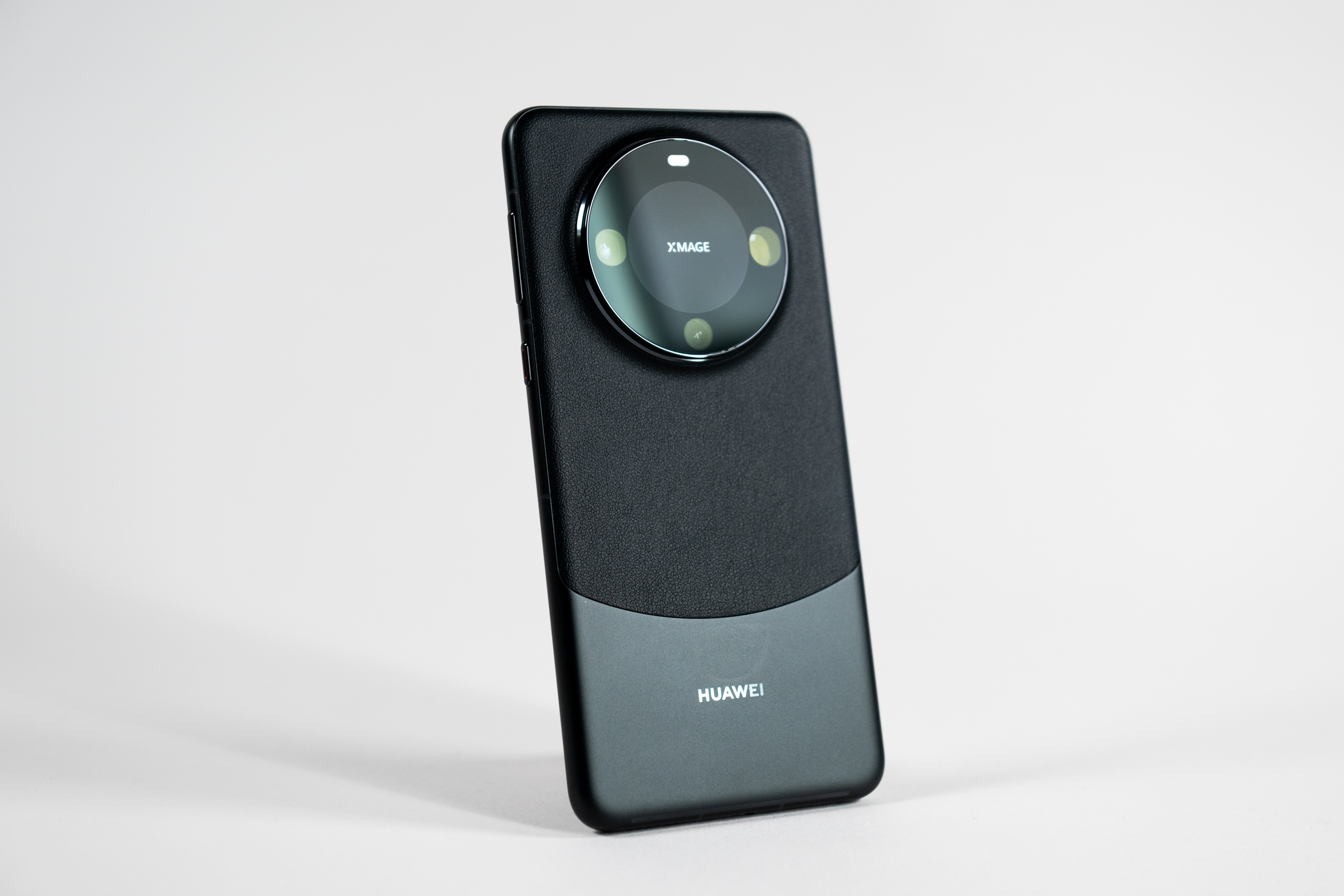
The Huawei Mate 60 Pro.Photographer: James Park/Bloomberg摄影师:詹姆斯·帕克/彭博社
Much remains unknown about SMIC and Huawei’s progress, including whether they can make chips in volume or at reasonable cost. But the Mate 60 silicon raises questions about the efficacy of a US-led global campaign to prevent China’s access to cutting-edge technology, driven by fears it could be used to boost Chinese military capabilities.
中芯国际和华为的进展仍有很多未知数,包括他们是否能够批量生产芯片或以合理的成本生产芯片。但 Mate 60 芯片引发了人们对美国主导的阻止中国获取尖端技术的全球行动的有效性的质疑,担心这些技术可能被用来增强中国的军事能力。
With its export controls last year, the US administration tried to draw a line at preventing China from getting access to 14nm chips, or about eight years behind the most advanced technology. The US had also blacklisted both Huawei and SMIC. Now China has demonstrated it can produce at least limited quantities of chips five years behind the cutting-edge, inching closer to its objective of self-sufficiency in the critical area of semiconductors.
美国政府去年实施出口管制,试图划定界限,阻止中国获得 14 纳米芯片,即落后最先进技术约八年的芯片。美国还将华为和中芯国际列入黑名单。现在,中国已经证明,它至少可以生产有限数量的芯片,比尖端技术落后五年,正在一步步接近其在半导体关键领域自给自足的目标。
“It's a pretty important statement for China,” TechInsights Vice Chair Dan Hutcheson said. “SMIC’s technology advances are on an accelerated trajectory, and appear to have addressed yield-impacting issues in their 7nm technology.”
“这对中国来说是一个非常重要的声明,”TechInsights 副主席丹·哈奇森 (Dan Hutcheson) 表示。 “中芯国际的技术进步正在加速发展,并且似乎已经解决了 7 纳米技术中影响良率的问题。”
SMIC’s Shanghai-traded shares rose 6% on Monday after publication of the report.
该报告发布后,中芯国际在上海交易的股价周一上涨 6%。
The teardown by TechInsights -- which has spent decades investigating the electronic innards of hundreds of devices for some of the world's biggest tech firms -- represents the most authoritative analysis of the Mate 60 Pro's components since its abrupt introduction ignited a frenzy of speculation. Huawei quietly released the phone online last week without detailing key specifications, like the processor design or the wireless connection speeds. It came during a visit to China by US Commerce Secretary Gina Raimondo, whose agency imposed many of the key export controls on China.
TechInsights 花了数十年时间对世界上一些最大的科技公司数百台设备的电子内部结构进行了调查,此次拆解代表了自 Mate 60 Pro 突然推出引发疯狂猜测以来对其组件最权威的分析。华为上周悄悄在网上发布了这款手机,但没有详细说明处理器设计或无线连接速度等关键规格。这是在美国商务部长吉娜·雷蒙多访华期间发布的,该机构对中国实施了许多关键的出口管制。

A specialist at TechInsights disassembles a Huawei Mate 60 Pro smartphone.TechInsights 的专家拆解了华为 Mate 60 Pro 智能手机。Photographer: James Park/Bloomberg摄影师:詹姆斯·帕克/彭博社

The Mate 60 Pro is powered by a new Kirin 9000s chip that was fabricated in China by SMIC.Mate 60 Pro搭载了由中芯国际在中国制造的新型麒麟9000s芯片。Photographer: James Park/Bloomberg摄影师:詹姆斯·帕克/彭博社
The phone has sparked speculation because Huawei is at the center of Washington-Beijing tensions, the target of sanctions over allegations it aids China’s military. Once the world’s biggest telecommunications provider, it’s been pulling out the stops to research alternatives to American circuitry since the Trump administration added Huawei to its Entities List in 2019.
这款手机引发了猜测,因为华为处于华盛顿与北京紧张局势的中心,并因其帮助中国军方的指控而成为制裁目标。曾经是全球最大的电信提供商,自特朗普政府于 2019 年将华为列入实体名单以来,它一直在全力以赴地研究美国电路的替代品。
The Mate 60 advance could reset the dynamics of the tech clash, as it suggests Huawei is able to come close to, though not quite match, the fastest mobile devices using a chip that’s designed and produced in China. Testing by Bloomberg News showed the Mate 60 Pro capable of cellular speeds on a par with 5G devices like Apple Inc.’s latest iPhones.
Mate 60 的进步可能会重新调整技术冲突的动态,因为它表明华为能够接近(尽管不完全匹配)使用中国设计和生产的芯片的最快移动设备。彭博新闻社的测试表明,Mate 60 Pro 的蜂窝速度与苹果公司最新 iPhone 等 5G 设备相当。
It also raises questions about SMIC’s compliance with US rules stipulating that any company intending to supply Huawei using American technology — which is present throughout SMIC’s operations — must obtain Washington’s approval.
这也引发了对中芯国际是否遵守美国规定的质疑,美国规定任何打算使用美国技术向华为供货的公司(中芯国际的运营中都存在美国技术)必须获得华盛顿的批准。
Representatives for Huawei and SMIC did not respond to requests for comments about the phone’s specs since its release last week. Huawei has said only that the Mate 60 Pro is the most powerful Mate device yet. The Commerce Department did not respond to queries about whether SMIC’s supply of 7nm chips to Huawei violates sanctions.
自上周发布以来,华为和中芯国际的代表没有回应有关该手机规格的置评请求。华为仅表示 Mate 60 Pro 是迄今为止最强大的 Mate 设备。美国商务部没有回应有关中芯国际向华为供应7纳米芯片是否违反制裁的询问。

The SMIC chip.Photographer: James Park/Bloomberg摄影师:詹姆斯·帕克/彭博社
Chinese chipmaking still has a performance gap, as the main processor in the Mate 60 Pro is two generations behind the latest global technology, according to the teardown by TechInsights, whose findings lent weight to unsubstantiated reports posted by amateur technicians, bloggers and influencers on Chinese social media.
TechInsights 的拆解显示,中国芯片制造仍然存在性能差距,因为 Mate 60 Pro 的主处理器比全球最新技术落后两代,该公司的调查结果证实了业余技术人员、博客作者和中国影响者发布的未经证实的报告。社交媒体。
Apple’s current iPhones are built at 4nm and next week it will introduce a new flagship iPhone powered by a 3nm chip.
苹果目前的 iPhone 均采用 4 纳米工艺制造,下周将推出采用 3 纳米芯片的新旗舰 iPhone。
Shenzhen-based Huawei and Shanghai-based SMIC may already be approaching the ceiling of what they can achieve without more advanced chipmaking machinery. To move beyond 7nm, iPhone supplier Taiwan Semiconductor Manufacturing Co. utilizes extreme ultraviolet lithography, or EUV, machines from ASML Holding NV. China is completely prohibited from importing those machines.
如果没有更先进的芯片制造设备,深圳的华为和上海的中芯国际可能已经接近其所能实现的上限。为了超越 7nm,iPhone 供应商台积电采用了 ASML Holding NV 的极紫外光刻机(EUV)。中国完全禁止进口这些机器。
It is unclear how many units of the new device Huawei intends to produce. The Mate 60 Pro sold out almost immediately and appears to have been available in limited quantities. It was welcomed with an outburst of patriotic fervor across Chinese social media, and national outlets like CCTV and the Global Times lauded it as a symbol of China’s irrepressible spirit.
目前尚不清楚华为打算生产多少台新设备。 Mate 60 Pro 几乎立即售空,而且数量似乎有限。它在中国社交媒体上受到了爱国热情爆发的欢迎,中央电视台和环球时报等国家媒体称赞它是中国不可抑制的精神的象征。
Huawei’s consumer business took a heavy blow after the company was cut off from chipmakers like TSMC three years ago, when its smartphones were the clear growth driver for one of China’s biggest tech manufacturers. Its consumer sales are now less than half the size they were before the sanctions took effect, and the company has shifted its focus to developing technology for enterprise, cloud and automotive applications.
三年前,华为的消费者业务受到与台积电等芯片制造商的断绝关系,当时华为的智能手机是中国最大科技制造商之一的明显增长动力。目前,其消费者销售额还不到制裁生效前的一半,该公司已将重点转向开发企业、云和汽车应用技术。
Analysts at Jefferies, including Edison Lee, urged caution in interpreting what Huawei’s Mate 60 says about China’s progress in chips. They wrote that selling out of Huawei's phones in hours suggests limited inventory. They also said that Huawei may be powering some Mate 60s with chips from TSMC, which it had stockpiled before the US cut off such purchases. In a report entitled “Huawei Mate 60 Pro: More Myths Than Fact,” the Jefferies team said it thinks China can produce only a “very small” volume of 7nm chips.
包括 Edison Lee 在内的 Jefferies 分析师敦促谨慎解读华为 Mate 60 对中国芯片进展的评价。他们写道,华为手机在数小时内就售空,表明库存有限。他们还表示,华为可能会使用台积电的芯片为部分 Mate 60 手机提供动力,这些芯片是华为在美国切断此类采购之前储存的。 Jefferies 团队在题为《华为 Mate 60 Pro:神话多于事实》的报告中表示,他们认为中国只能生产“非常少量”的 7nm 芯片。
Analysts at Sanford C. Bernstein including Mark Li said teardowns suggest that Huawei’s chip speeds were accomplished with advanced packaging and power consumption. China may not be able to make semiconductors as economically as global players, but it’s taking steps toward building supply for its most critical sectors. “We find Huawei’s and hence China’s progress better than expected,” they wrote.
包括马克·李在内的 Sanford C. Bernstein 分析师表示,拆解表明华为的芯片速度是通过先进的封装和功耗实现的。中国可能无法像全球企业那样经济地生产半导体,但它正在采取措施为其最关键的行业建立供应。他们写道:“我们发现华为以及中国的进步比预期要好。”