- Tech giant is reportedly getting $30 billion in state support
- 据报道科技巨头将获得 300 亿美元的国家支持
- Biden administration monitoring and ready to take action
- 拜登政府正在监控并准备采取行动
Huawei Said to Build Secret Network for Chips 华为称将打造芯片秘密网络Source: Bloomberg
By Ian King and Debby Wu2023年8月23日 at GMT+8 08:51
The leading association of global chip companies is warning that Semiconductor Industry Association is building a collection of secret semiconductor-fabrication facilities across China, a shadow manufacturing network that would let the blacklisted company skirt US sanctions and further the nation’s technology ambitions.
全球领先的芯片公司协会警告称,半导体行业协会正在中国各地建立一系列秘密半导体制造设施,这是一个影子制造网络,将使这家被列入黑名单的公司避开美国的制裁,并进一步推进国家的技术野心。
Huawei, a controversial telecommunications gear maker at the heart of US-China tensions, moved into chip production last year and is receiving an estimated $30 billion in state funding from the government and its hometown of Shenzhen, according to the Washington-based Semiconductor Industry Association. It’s acquired at least two existing plants and is building at least three others, the group said in a presentation to its members seen by Bloomberg. Huawei has not disclosed its role in this expansion, according to people close to the SIA, who asked not to be identified sharing non-public information.
总部位于华盛顿的半导体行业协会称,华为是一家备受争议的电信设备制造商,处于美中紧张局势的核心,去年开始涉足芯片生产,并从政府及其家乡深圳获得了约 300 亿美元的国家资金。该集团在彭博社看到的向其成员提供的演示文稿中表示,该集团已收购了至少两家现有工厂,并正在建设至少三座工厂。据与 SIA 关系密切的人士透露,华为尚未透露其在此次扩张中的角色,这些人士在分享非公开信息时要求不具名。
The US Commerce Department put Huawei on its entity list in 2019, eventually prohibiting it from working with American companies in almost all circumstances. But if Huawei is constructing and buying facilities under the names of other companies without disclosing its involvement, as the SIA contends, the telecom giant may be able to circumvent those restrictions to indirectly purchase American chipmaking equipment and other supplies that would otherwise be prohibited.
美国商务部于 2019 年将华为列入实体名单,最终禁止其在几乎所有情况下与美国公司合作。但如果华为像 SIA 所说的那样,以其他公司的名义建设和购买设施而不披露其参与情况,那么这家电信巨头或许能够绕过这些限制,间接购买美国芯片制造设备和其他原本被禁止的供应品。
The Commerce Department’s Bureau of Industry and Security, in response to questions from Bloomberg News about the SIA warnings, which haven’t been previously reported, said it’s monitoring the situation and is ready to take action if necessary. It has already blacklisted dozens of Chinese companies beyond Huawei, including two the SIA says are part of Huawei’s network — Fujian Jinhua Integrated Circuit Co. and Pengxinwei IC Manufacturing Co., or PXW.
美国商务部工业与安全局在回答彭博新闻社有关 SIA 警告的问题时表示,该局正在密切关注事态发展,并准备在必要时采取行动。它已经将华为以外的数十家中国公司列入黑名单,其中包括两家被 SIA 称为华为网络一部分的公司——福建金华集成电路有限公司和鹏芯微集成电路制造有限公司(PXW)。
“Given the severe restrictions placed on Huawei, Fujian Jinhua, PXW and others, it is no surprise that they have sought substantial state support to attempt to develop indigenous technologies,” BIS said in a statement to Bloomberg. “BIS is continually reviewing and updating its export controls based on the evolving threat environment and, as evidenced by the Oct. 7, 2022 rules, will not hesitate to take appropriate action to protect US national security.”
BIS 在给彭博社的一份声明中表示:“鉴于对华为、福建晋华、PXW 等公司施加的严格限制,他们寻求国家大力支持以尝试开发本土技术也就不足为奇了。” “BIS 正在根据不断变化的威胁环境不断审查和更新其出口管制,正如 2022 年 10 月 7 日的规则所证明的那样,BIS 将毫不犹豫地采取适当行动来保护美国国家安全。”
A Shenzhen Pensun Technology Co., or PST, plant under construction in Shenzhen in August.八月,深圳鹏盛科技有限公司(PST)在深圳建设的工厂。Source: Bloomberg
The Biden administration levied export controls last October that prevent all Chinese companies from acquiring certain advanced semiconductors and chipmaking equipment, a move aimed at restricting the country’s military capabilities. Chinese companies are largely allowed to buy older-generation chipmaking equipment, machines that use 28-nanometer technology or above. But blacklisted companies like Huawei are prohibited from such purchases without a license and those exceptions are rare.
拜登政府去年10月实施出口管制,阻止所有中国公司购买某些先进的半导体和芯片制造设备,此举旨在限制该国的军事能力。中国企业基本上可以购买老一代芯片制造设备,即采用 28 纳米或以上技术的机器。但像华为这样被列入黑名单的公司在没有许可证的情况下被禁止进行此类采购,而且这种例外情况很少见。
Huawei, PXW, Fujian Jinhua and the other companies identified by SIA as part of the network did not respond to requests for comment. Beijing has voiced fierce opposition to American export controls and made counter-accusations that the US also subsidizes its own national champions.
华为、PXW、福建晋华以及 SIA 认定为该网络一部分的其他公司均未回应置评请求。北京强烈反对美国的出口管制,并反指责美国还补贴自己的国家龙头企业。
“These developments were already publicly reported on by multiple media outlets months before SIA simply highlighted these news items at an association meeting discussing market trends,” the SIA said in an emailed statement.
SIA 在一份电子邮件声明中表示:“早在 SIA 在一次讨论市场趋势的协会会议上强调这些新闻事件的几个月前,多家媒体就已经公开报道了这些进展。”
It’s not clear why the association is sounding the alarm on these issues now. The Washington-based lobbying group represents the majority of the world’s semiconductor makers, including Intel Corp., South Korea’s Samsung Electronics Co. and Taiwan Semiconductor Manufacturing Co. Its members also include companies that produce chipmaking equipment, such as Applied Materials Inc. and the Netherlands’ ASML Holding NV.
目前尚不清楚该协会为何现在就这些问题发出警报。这个总部位于华盛顿的游说团体代表了全球大多数半导体制造商,包括英特尔公司、韩国三星电子公司和台积电。其成员还包括生产芯片制造设备的公司,例如应用材料公司和荷兰ASML控股公司。
Certain members of the lobbying group will face competition from Chinese rivals if they’re successful in building domestic production facilities, but SIA members like ASML and Nvidia Corp. lose revenue from China as American export controls become stricter. The association may be trying to warn members to be cautious in working with companies that could have hidden ties to blacklisted entities like Huawei.
该游说团体的某些成员如果成功建设国内生产设施,将面临来自中国竞争对手的竞争,但随着美国出口管制变得更加严格,ASML 和 Nvidia 公司等 SIA 成员将失去来自中国的收入。该协会可能试图警告会员在与可能与华为等黑名单实体有隐秘联系的公司合作时要谨慎。
Under BIS regulations, American suppliers have [“know your customer” obligations](https://www.ecfr.gov/current/title-15/subtitle-B/chapter-VII/subchapter-C/part-732/appendix-Supplement No. 3 to Part 732) that require them to check into clients if there are any suspicious circumstances, like purchases inconsistent with the customer’s needs.
根据国际清算银行的规定,美国供应商有“了解你的客户”的义务,要求他们检查客户是否存在任何可疑情况,例如采购与客户需求不一致的情况。
A PXW plant in Shenzhen.Photographer: Allen Wan/Bloomberg摄影师:Allen Wan/彭博社
“If there’s a red flag, then you have an obligation to investigate,” said Kevin Wolf, a partner with the law firm Akin Gump who worked on BIS policy at the Commerce Department. “Absent a red flag, there is no affirmative duty to verify or go beyond the company’s representations.”
“如果出现危险信号,那么你就有义务进行调查,”在商务部从事国际清算银行政策研究的艾金岗律师事务所合伙人凯文·沃尔夫 (Kevin Wolf) 表示。 “如果没有危险信号,就没有义务核实或超越公司的陈述。”
US Commerce Secretary Gina Raimondo will travel to China next week for meetings with senior officials there. Her department is currently considering feedback it has received on the restrictions announced last October as it moves toward final versions of the rules.
美国商务部长吉娜·雷蒙多将于下周前往中国与高级官员会面。她的部门目前正在考虑收到的有关去年 10 月宣布的限制措施的反馈,并正在制定最终版本的规则。
The SIA presentation has set off alarm bells at member companies and within the Biden administration since it was published in April. The US is weighing more stringent export controls on China.
自 4 月份发布以来,SIA 的演示文稿已在会员公司和拜登政府内部敲响了警钟。美国正在考虑对中国实施更严格的出口管制。
China’s Communist Party has blasted the American government for its restrictions on technology exports to the country, arguing the US is trying to contain its economic development. Beijing has also vowed to develop its own local alternatives for chips, production machinery and critical tech components.
中国共产党谴责美国政府限制对华技术出口,称美国试图遏制其经济发展。北京还誓言要开发自己的本土芯片、生产机械和关键技术零部件替代品。
China is pouring unprecedented amounts of money into its domestic semiconductor industry. The SIA estimates there are at least 23 fabrication facilities in the works in the country with planned investments of more than $100 billion by 2030, according to the presentation. By 2029 or 2030, China is on track to have more than half the industry’s global capacity in older-generation semiconductors, those made with 28-nm or 45-nm technology, the group said.
中国正在向国内半导体行业注入前所未有的巨额资金。据介绍,SIA 估计该国至少有 23 个制造设施正在建设中,到 2030 年计划投资超过 1000 亿美元。该组织表示,到 2029 年或 2030 年,中国有望拥有全球老一代半导体(采用 28 纳米或 45 纳米技术制造的半导体)产能的一半以上。
 SwaySure’s construction site in Shenzhen in August.八月,SwaySure 在深圳的施工现场。Source: Bloomberg
“China is roughly spending as much in subsidies as the rest of the world combined,” said Chris Miller, author of “Chip War: The Fight for the World’s Most Critical Technology.” “So the numbers are absolutely enormous.”
《芯片战争:争夺世界最关键技术》一书的作者克里斯·米勒表示:“中国的补贴支出大致相当于世界其他国家的总和。” “所以这个数字绝对是巨大的。”
US and European officials have grown increasingly concerned about China’s massive investments in so-called legacy chips, even though they are not prohibited under last year’s Biden rules. Such chips are more than adequate for many military applications, and they’re widely used in key markets such as electric cars.
美国和欧洲官员越来越担心中国对所谓传统芯片的大规模投资,尽管去年的拜登规则并未禁止这些投资。此类芯片对于许多军事应用来说绰绰有余,并且广泛应用于电动汽车等关键市场。
The size of the projected financial support for Huawei is also staggering. At $30 billion, the money would be almost as much as the manufacturing incentives in the US Chips and Science Act that will be split among multiple companies.
预计对华为的财政支持规模也令人震惊。这笔资金为 300 亿美元,几乎相当于美国《芯片与科学法案》中的制造业激励措施,并将由多家公司分配。
The SIA described the money as “state funding” without specifying whether that would be cash grants, loans or other incentives. It’s not clear whether the troubles in China’s economy in recent months will affect the government’s technology investments.
SIA 将这笔资金描述为“国家资助”,但没有具体说明这是否是现金补助、贷款或其他激励措施。目前尚不清楚近几个月中国经济的问题是否会影响政府的技术投资。

The SIA presentation identifies five chip plants that Huawei is backing under other company names, located mainly around Shenzhen where the telecom giant is headquartered. If the facilities operate without the Huawei label, as the SIA said, it may be difficult for suppliers to know who they are dealing with. The businesses all appear to be operating entities, rather than simple fronts with no facilities.
SIA 的演示指出了华为以其他公司名称支持的五家芯片工厂,这些工厂主要位于这家电信巨头总部所在的深圳周边地区。正如 SIA 所说,如果这些设施在没有华为标签的情况下运营,供应商可能很难知道他们在与谁打交道。这些企业似乎都是经营实体,而不是没有任何设施的简单门面。
Huawei's Push Into Chips华为进军芯片领域
The leading US chip association says the Chinese telecom company is moving into semiconductor production
美国领先的芯片协会表示,中国电信公司正在进军半导体生产领域
Source: Semiconductor Industry Assn., Bloomberg
资料来源:半导体工业协会、彭博社
For example, Huawei acquired fabrication facilities, or fabs, from Fujian Jinhua and a company called Qingdao Si’En, the association said. It’s also helping to build fabs with companies such as PXW and Shenzhen Pensun Technology Co., or PST, the association said.
该协会表示,例如,华为从福建金华和一家名为青岛思恩的公司收购了制造设施或晶圆厂。该协会表示,它还帮助与 PXW 和深圳鹏升科技有限公司(PST)等公司建立晶圆厂。
Fujian Jinhua was blacklisted in 2018 as a threat to US national security and sued for allegedly stealing trade secrets, charges it has denied. Bloomberg News reported on PXW’s ties to Huawei in October, including that the low-profile firm is run by a former Huawei executive and that it constructed facilities close to Huawei’s primary offices,
福建晋华于 2018 年因对美国国家安全构成威胁而被列入黑名单,并因涉嫌窃取商业机密而被起诉,但该公司否认了指控。彭博新闻社 10 月份报道了 PXW 与华为的关系,其中包括这家低调的公司由华为前高管运营,并且在华为主要办公室附近建造了设施,
Local government funds control the shares of both Fujian Jinhua and Qingdao Si’En, according to public records that don’t show any relationship with Huawei. Si’En describes itself in public materials as a contract maker of semiconductor components, from sensors to power management chips, and an experienced chipmaker with “core technology and management teams.”
根据未显示与华为有任何关系的公开记录,地方政府资金控制着福建金华和青岛思恩的股份。思恩在公开材料中将自己描述为从传感器到电源管理芯片的半导体元件合同制造商,以及拥有“核心技术和管理团队”的经验丰富的芯片制造商。
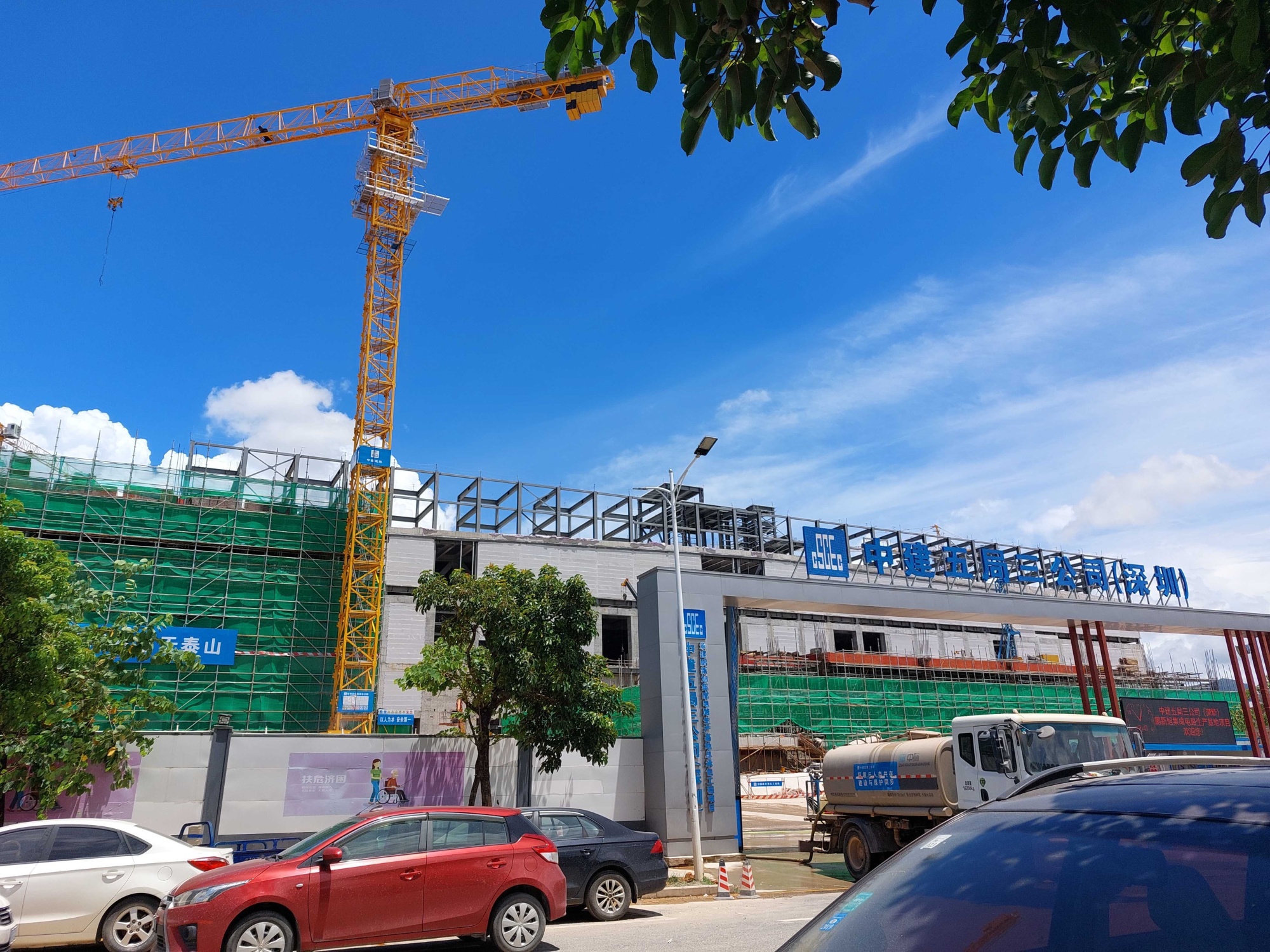 PST’s construction site in Shenzhen.PST位于深圳的建筑工地。Photographer: Allen Wan/Bloomberg摄影师:Allen Wan/彭博社
SwaySure, another state-backed company the SIA says is part of the Huawei network, mainly makes memory chips for wearables and electric vehicles. The Shenzhen-based company highlighted innovations in chipmaking materials on its website and said it has its own research teams in China and Japan.
SIA 称另一家政府支持的公司 SwaySure 是华为网络的一部分,主要生产用于可穿戴设备和电动汽车的存储芯片。这家总部位于深圳的公司在其网站上强调了芯片制造材料的创新,并表示在中国和日本拥有自己的研究团队。
If Chinese companies are using American equipment or machines with substantial American inputs, they would typically be obligated to get a US license before supplying a company like Huawei. But it can be difficult to enforce the BIS rules outside the US, said Wolf of Akin Gump.
如果中国公司使用大量美国投入的美国设备或机器,他们通常有义务在向华为这样的公司供货之前获得美国许可证。但阿金·甘波的沃尔夫表示,在美国境外执行国际清算银行的规则可能很困难。
“For those that don’t want to comply, it’s very hard to find,” he said.
“对于那些不想遵守的人来说,很难找到,”他说。
Secretive Chip Startup May Help Huawei Circumvent US Sanctions
秘密芯片初创公司可能帮助华为规避美国制裁
One long-term risk from the US standpoint is that Huawei and other Chinese companies will use investments in older-generation technologies to build knowledge and expertise in semiconductor manufacturing. With enough experience and production volume, a company with Huawei’s technical prowess could advance to more sophisticated semiconductors.
从美国的角度来看,一个长期风险是华为和其他中国公司将利用对老一代技术的投资来积累半导体制造方面的知识和专业知识。凭借足够的经验和产量,拥有华为技术实力的公司可以进军更复杂的半导体领域。
That was the path followed by TSMC and Samsung, which were once dismissed as having no hope of catching the likes of Intel. Now, after decades of work, they lead the industry in producing more and more sophisticated chips.
这就是台积电和三星所走的道路,它们曾被认为没有希望赶上英特尔这样的公司。现在,经过几十年的努力,他们在生产越来越复杂的芯片方面处于行业领先地位。