-
Call comes just before UK foreign secretary travels to Beijing
英国外交大臣访问北京之前打通电话 -
China-UK relations have been hurt by crackdown in Hong Kong
中英关系因香港镇压而受损
The British Museum in London, UK. 大英博物馆位于英国伦敦。
Photographer: Leon Neal/Getty Images 摄影师:Leon Neal/Getty Images
By Bloomberg News 2023年8月28日 at GMT+8 16:50
Chinese state media has urged the UK’s most famous museum to return items “stolen” in past centuries, potentially widening a rift between the Asian nation and the West.
中国官方媒体敦促英国最著名的博物馆归还过去几个世纪“被盗”的物品,这可能会扩大这个亚洲国家与西方国家之间的裂痕。
“We formally request the British Museum to return all Chinese cultural relics acquired through improper channels to China free of charge, and to refrain from adopting a resistant, protracted and perfunctory attitude,” the Global Times said in an editorial Monday.
《环球时报》周一在社论中表示:“我们正式要求大英博物馆将通过不正当渠道获得的所有中国文物无偿归还中国,并不要采取抵制、拖延和敷衍的态度。”
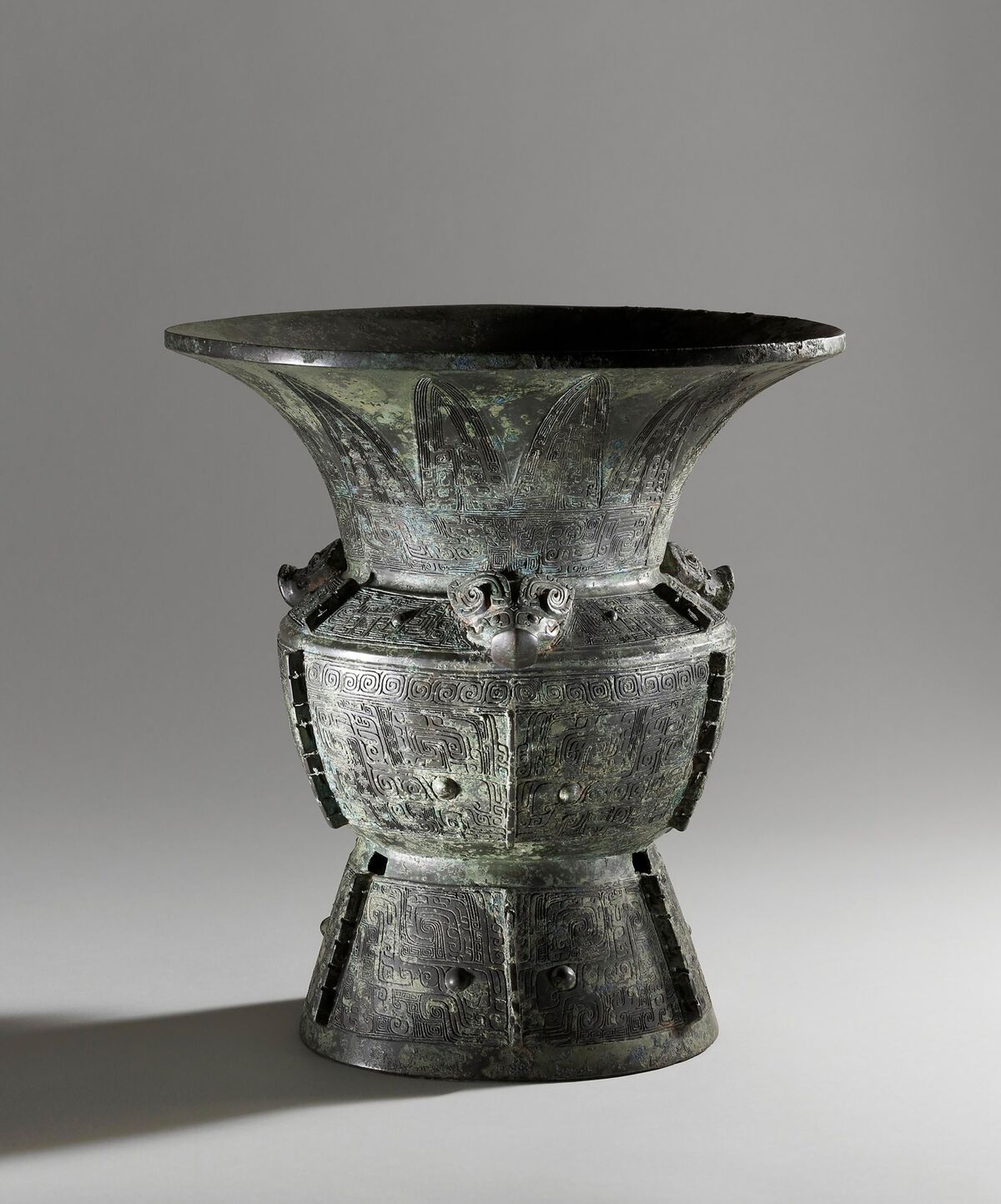
Bronze ‘zun’Source: The Trustees of the British Museum资料来源:大英博物馆信托人
The newspaper said the museum had 23,000 Chinese items, and gave as examples a painting from the Tang dynasty and bronze vessels dating to the dawn of the Asian nation’s civilization.
该报称,该博物馆藏有23,000件中国文物,并以一幅唐代绘画和亚洲民族文明初期的青铜器为例。
“Most Chinese collections were certainly looted or stolen by Britain when it created and later took advantage of China’s crisis, or even directly robbed China,” the nationalist-leaning newspaper said, referring to 19th century upheaval in the Asian nation. The Global Times added that it backed other countries who sought the return of artifacts.
“大多数中国藏品肯定是在英国创建时被掠夺或偷走的,后来又利用中国的危机,甚至直接抢劫了中国,”这家倾向民族主义的报纸在谈到19世纪亚洲国家的动乱时说道。 《环球时报》补充说,它支持其他寻求归还文物的国家。
See: UK’s Cleverly Prepares to Visit China in Last Week of August 请参阅:英国巧妙准备在八月最后一周访问中国
The editorial comes just before an expected visit by UK Foreign Secretary James Cleverly to Beijing in a bid to repair ties hurt by the Communist Party’s crackdown on Hong Kong’s pro-democracy opposition and other issues.
这篇社论发表之际,英国外交大臣詹姆斯·克莱弗利预计将访问北京,以修复因共产党镇压香港民主反对派和其他问题而受损的两国关系。
It is unclear whether the Chinese artifacts would be raised at Cleverly’s talks with Chinese officials, though a British law enacted in 1963 [bars](https://observer.com/2023/02/the-uk-has-a-60-year-old-law-prohibiting-repatriation-of-art-is-that-about-to-change/#:~:text=Under the act%2C the British,to the museum's deaccessioning policy) the institution from repatriating objects.
尽管 1963 年颁布的英国法律禁止该机构归还文物,但目前尚不清楚克莱弗利与中国官员的会谈中是否会提及这些中国文物。
The British Museum is holding a summer exhibit called China’s Hidden Century, which covers a period of the Qing dynasty from 1796 to 1912. One of the items on display is the original Treaty of Nanjing, which ended the First Opium War and ceded Hong Kong to Britain.
大英博物馆正在举办名为“中国隐藏的世纪”的夏季展览,涵盖了从 1796 年到 1912 年的清朝时期。展出的物品之一是《南京条约》原件,该条约结束了第一次鸦片战争并将香港割让给中国英国。
The ruling Communist Party frequently references that period as an example of foreign powers “humiliating” China. The party tries to gain legitimacy in the eyes of its people now by pledging that it will never let a repeat occur on its watch and will counter any effort by the West, especially the US, to undercut China’s development.
执政的共产党经常引用那段时期作为外国列强“羞辱”中国的例子。现在,中共试图通过承诺永远不会让类似事件重演,并将反击西方特别是美国削弱中国发展的任何努力,以赢得人民心目中的合法性。
The Global Times editorial was the top trending item on China’s Weibo social media platform on Monday, and opinion was divided on the newspaper’s stance. Some internet users accused it of trying to distract the public from the nation’s flagging economy.
《环球时报》的社论是周一中国微博社交媒体平台上的热门话题,该报的立场存在分歧。一些互联网用户指责它试图分散公众对国家疲软经济的注意力。
“The public know that the economy is on a downward trend and you are working hard to evoke a sense of cohesion for our nation,” wrote one user named Niu Mingyu whose post got 10,000 likes. “But populism is not a good thing.”
“公众知道经济在下行,你们正在努力唤起国家的凝聚力,”一位名叫牛明宇的用户写道,他的帖子获得了1万个赞。 “但民粹主义并不是一件好事。”
Another person suggested that the public was getting fatigued by another conflict with a foreign nation following China’s vehement denunciation of Japan for releasing treated wastewater from the Fukushima nuclear power plant into the ocean.
另一位人士表示,在中国强烈谴责日本将福岛核电站处理后的废水排放到海洋后,公众已经对另一场与外国的冲突感到厌倦。
“The timing is quite awkward,” wrote Wang Weichen. “The public was focused on condemning Japan, and now another front is being opened on the West. Netizens are feeling very tired.”
“时机相当尴尬,”王伟辰写道。 “公众集中谴责日本,现在又向西方开辟了另一条战线。网友们都觉得很累。”
— With assistance by Philip Glamann and Jing Li