JOHN RAPLEY2023年9月5日
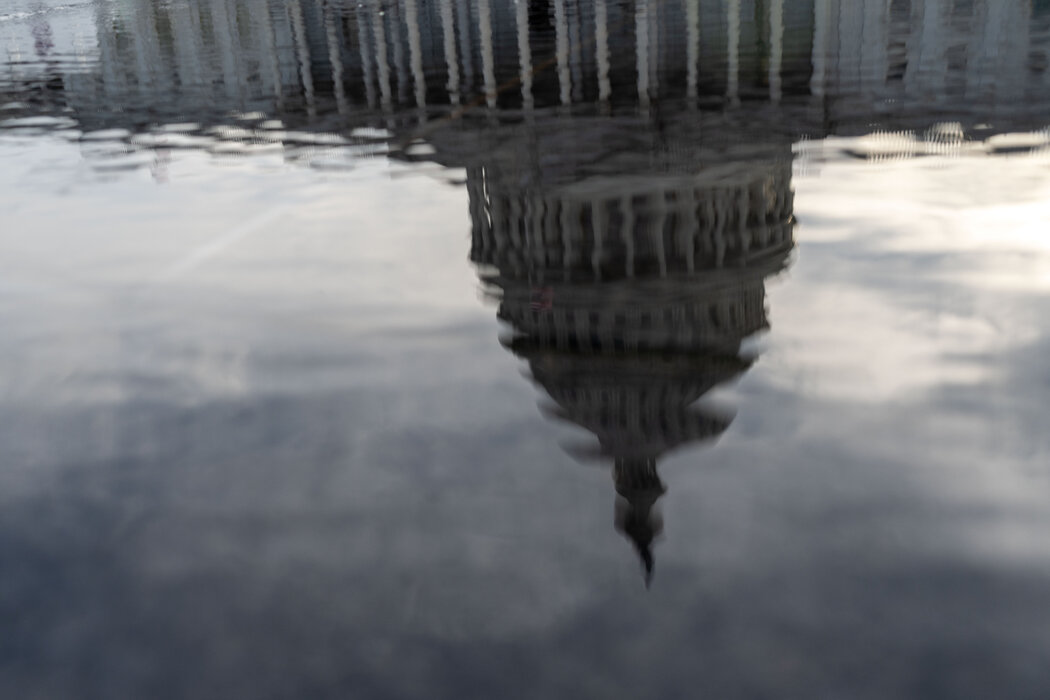 HAIYUN JIANG/THE NEW YORK TIMES
America likes to think of itself in garlanded terms. The shining city on a hill. The indispensable nation. The land of the free. There’s something to each sobriquet, to be sure. But there’s another phrase, not always so flattering, that also applies to the United States: global empire.
美国喜欢用溢美之词来形容自己。闪闪发光的山巅之城。不可或缺的国家。自由人的家园。当然,每个绰号都有其道理。但还有另一个并不总是那么讨人喜欢的说法也适用于美国:全球帝国。
Unlike the other notions, which originated in the birth struggles of the Republic, this one dates to the final stages of World War II. At the famous Bretton Woods Conference, the United States developed an international trading and financial system that functioned in practice as an imperial economy, disproportionately steering the fruits of global growth to the citizens of the West.
与其他起源于建立共和的斗争的观念不同,全球帝国始自“二战”的最后阶段。在著名的布雷顿森林会议上,美国建立了一套国际贸易和金融体系,该体系在实践中发挥着帝国经济的作用,将全球增长的成果过多地分配给西方国家的国民。
Alongside, America created NATO to provide a security umbrella for its allies and organizations such as the Organization for Economic Cooperation and Development to forge common policies. Over the second half of the century, this system attained a degree of world domination no previous empire had ever known.
与此同时,美国创建了北约,为其盟友提供安全保护伞,并创建了经济合作与发展组织等组织,以制定共同政策。在20世纪下半叶,这个体系对世界的统治达到了以前的帝国从未有过的程度。
In the past two decades, however, it has sunk into decline. At the turn of the millennium, the Western world accounted for four-fifths of global economic output. Today, that share is down to three-fifths and falling. While Western countries struggle to restore their dynamism, developing countries now have the world’s fastest-growing economies. Through institutions like BRICS and OPEC and encouraged by China, they are converting their growing economic heft into political power.
然而,在过去的20年里,它陷入了衰落。在世纪之交,西方世界占全球经济产出的五分之四。如今,这一比例降至五分之三,而且还在下降。在西方国家努力恢复活力的同时,发展中国家现在拥有世界上增长最快的经济。通过金砖国家和石油输出国组织等机构,在中国的鼓励下,发展中国家正将日益增长的经济实力转化为政治力量。
From this view, it can seem that the United States is following the course of all empires: doomed to decline and eventual fall. America, it’s true, will never again enjoy the degree of global economic and political domination it exercised in the decades after the war. But it can, with the right choices, look forward to a future in which it remains the world’s pre-eminent nation.
从这个角度来看,美国似乎正在走所有帝国的老路:注定衰落,最终灭亡。的确,美国再也无法享受“二战”后几十年在全球经济和政治中的统治地位了。但是,只要做出正确的选择,它就可以展望未来,继续做世界上最杰出的国家。
To call America an empire is admittedly to court controversy or at least confusion. After all, the United States claims dominion over no countries and even prodded its allies to renounce their colonies. But there’s an illuminating precedent for the kind of imperial project the United States forged after the war: the Roman Empire.
诚然,称美国为帝国会引起争议,至少会造成混淆。毕竟,美国没有宣称对任何国家拥有统治权,甚至敦促其盟友放弃其殖民地。但是,对于美国在战后打造的这个帝国工程,有一个发人深省的先例:罗马帝国。
By the fourth century, that empire had evolved from a conquest state into one where the Eternal City remained a spiritual center but actual power was shared across the provinces, with two centers of imperial authority: one in the east and another in the west. In return for collecting taxes, provincial landholding elites enjoyed the protection of the legions, their loyalty to the empire cemented by a real share in its benefits and what the historian Peter Heather calls a unifying culture of Latin, towns and togas.
到了四世纪,罗马帝国已经从一个征服国演变为一座永恒之城,它仍然是精神中心,但实际权力由各省分享,帝国有两个权威中心:一个在东部,一个在西部。作为征收税收的回报,掌握各省土地的权贵享受着军团的保护,通过真正分享帝国的利益,以及历史学家彼得·希瑟所说的拉丁语、城镇和长袍的统一文化,他们对帝国的忠诚得以巩固。
Like modern America, Rome attained a degree of supremacy unprecedented in its day. But the paradox of great imperial systems is that they often sow the seeds of their own downfall. As Rome grew rich and powerful from the economic exploitation of its peripheries, it inadvertently spurred the development of territories beyond its European frontiers. In time, the larger and politically more coherent confederations that emerged acquired the ability to parry — and eventually roll back — imperial domination.
和现代美国一样,罗马达到了当时前所未有的至高无上的地位。但伟大帝国制度的矛盾之处在于它们往往为自己的衰落埋下了种子。罗马通过对其周边地区的经济剥削而变得富强,无意中刺激了其欧洲疆域以外领土的发展。随着时间推移,出现了规模更大、政治上更团结的联盟,它们获得了抵御并最终击退罗马帝国统治的能力。
In the same way, America’s decline is a product of its success. Although developing countries grew more slowly in the postwar period than their Western counterparts, they still grew. By the end of the century, they had started to convert that expanding economic clout into political and diplomatic power. Not only had they begun to acquire the capacity to negotiate better trade and financial agreements, but they also had a crucial bargaining chip in the form of two resources Western businesses now needed: growing markets and abundant supplies of labor.
同样,美国的衰落也是其成功的产物。尽管战后发展中国家的增长速度比西方国家慢,但它们仍在增长。到本世纪末,它们已经开始将不断扩大的经济影响力转化为政治和外交力量。它们不仅开始有了谈判更好的贸易和金融协议的能力,而且还拥有一个关键的谈判筹码,即西方企业现在需要的两种资源:不断增长的市场和充足的劳动力供应。
One of the earliest signs of this more assertive periphery came at the 1999 World Trade Organization conference in Seattle. A group of developing countries joined forces to halt the proceedings, ending the longstanding practice of a handful of Western allies hammering out a draft agreement for presentation to delegates. Since then, developing countries have gradually reduced their dependence on the World Bank and the International Monetary Fund, formed lending institutions and begun experimenting with trading arrangements that lessen their dependence on the dollar.
外围国家开始更自信的最早表现之一出现在1999年在西雅图举行的世界贸易组织会议上。一群发展中国家联合起来停止了谈判进程,结束了多年来由少数西方盟友敲定一份协议草案提交给代表们的做法。从那时起,发展中国家逐渐减少了对世界银行和国际货币基金组织的依赖,成立了贷款机构,并开始尝试减少对美元依赖的贸易安排。
Rome, the story goes, was toppled by so-called barbarian invasions. The truth is more complex. Within a single chaotic generation on either side of the year 400, several confederations crossed into the western half of the empire. On Roman soil, these immigrants then formed themselves into still larger alliances — like the Visigoths and Vandals — that were too powerful for the empire to defeat.
罗马据说是被所谓的蛮族入侵推翻的,但事实要复杂得多。在公元400年前后,在短短一个世代的时间里,时局动荡不安,几个联盟进入了帝国的西半部。在罗马的土地上,这些移民形成了更大的联盟——比如西哥特人和汪达尔人——他们太强大了,帝国无力击败。
Some commentators have been quick to see modern migration into the West as an equally destructive force. But that’s the wrong lesson to take from Roman history. Its economy was primarily agricultural and steady. If one power rose, another had to fall, since you could not simply expand the resource base to support both. When Rome proved unable to defeat the new contenders, it lost a source of taxes from which it could not recover.
一些评论家很快就把现代移民来到西方看作是一股同样具有破坏性的力量。但这是从罗马历史中得出的错误结论。罗马的经济主要在于农业和稳定。如果一种力量崛起,另一种力量就会衰落,因为你不能简单地扩展资源基础来同时支持这两个力量。当罗马被证明无法击败新的竞争者时,它就失去了一个无法恢复的税收来源。
Today’s situation is completely different. Thanks to technological change, economic growth is no longer a zero-sum game, possible in one place but not another. Although Western countries no longer dominate manufacturing and services, they still retain an edge in knowledge-intensive industries like artificial intelligence and pharmaceuticals or where they’ve built brand value, such as in luxury goods, sports and entertainment. Economic growth — even if more slowly than in the periphery — can continue in the West.
今天的情况完全不同了。由于技术变革,经济增长不再是零和游戏——在一个地方增长,就意味着在另一个地方不能增长。尽管西方国家不再主导制造业和服务业,但在人工智能和制药等知识密集型行业,以及奢侈品、体育和娱乐等已经建立起品牌价值的行业,西方国家仍然保持着优势。西方国家的经济增长——即使比外围国家慢——是可以继续下去的。
But it will require workers. Given that Western societies, with declining birthrates and aging populations, aren’t producing enough workers, they will have to come from the global periphery — both those who immigrate to the West and the many more who stay at home to work in businesses serving Western supply chains. Migration may have eroded the Roman Empire’s wealth. Now it’s what stands between the West and absolute economic decline.
但这需要工人。考虑到西方社会由于出生率下降和人口老龄化,不能产生足够的工人,工人将不得不来自全球边缘——包括那些移民到西方的人,以及更多留在本国之内,为西方供应链服务的工人。移民可能侵蚀了罗马帝国的财富。可现在,它是西方与绝对经济衰退之间的屏障。
Other parallels with Roman history are more direct. The eastern half of the Roman Empire rode out the collapse of the west in the fifth century and was even able to establish a hegemonic position over the new kingdoms in its lost western territories. This situation could have survived indefinitely had the empire not expended vital resources, starting in the late sixth century, in an unnecessary conflict with its bitter Persian rival. Imperial hubris drove it into a series of wars that, after two generations of conflict, left both empires vulnerable to a challenge that would overwhelm them both in just a few decades: a newly united Arab world.
与罗马历史的其他相似之处则更为直接。罗马帝国的东半部在公元五世纪摆脱了西部的崩溃,甚至能够在其失去的西部领土上建立起对新王国的霸权地位。如果东罗马帝国没有从六世纪晚期开始,在与死敌波斯的不必要冲突中消耗重要资源,这种局面本可以无限期地延续下去。帝国的傲慢驱使它卷入了一系列战争,经过两代人的冲突之后,两个帝国都面对一个在短短几十年内将它们压倒的挑战:一个新的统一的阿拉伯世界。
For America, it’s a cautionary tale. In responding to the inevitability of China’s rise, the United States needs to ask itself which threats are existential and which are merely uncomfortable. There are pressing dangers facing both the West and China, such as disease and climate change, that will devastate all humanity unless nations tackle them together. As for China’s growing militarization and belligerence, the United States must consider whether it’s really facing Thucydides’ trap of a rising power or simply a country defending its widening interests.
对美国来说,这是一个警示故事。在应对中国崛起的必然性时,美国需要问问自己哪些威胁是生死攸关的,哪些只是令人不安的。西方和中国都面临着紧迫的危险,比如疾病和气候变化,除非各国共同应对,否则这些危险将毁灭全人类。至于中国日益增长的军事化和好斗行为,美国必须考虑自己是否真的是在面对一个崛起大国构成的修昔底德陷阱,或者只是在面对一个捍卫其不断扩大的利益的国家。
If the United States must confront China, whether militarily or — one hopes — just diplomatically, it will inherit big advantages from its imperial legacy. The country still has sources of power that nobody can seriously rival: a currency that faces no serious threat as the world’s medium of exchange, the deep pools of capital managed on Wall Street, the world’s most powerful military, the soft power wielded by its universities and the vast appeal of its culture. And America can still call upon its friends across the globe. All told, it should be able to marshal its abundant resources to remain the world’s leading power.
如果美国必须对抗中国,无论是军事对抗还是——人们希望——仅限于外交对抗,它将继承帝国遗产的巨大优势。这个国家仍然拥有无人能与之匹敌的实力来源:作为世界交换媒介的货币没有受到严重威胁,华尔街管理的深厚资本池,世界上最强大的军队,大学所掌握的软实力,以及文化的巨大吸引力。美国仍然可以号召世界各地的朋友。总而言之,美国应该能够调动其丰富的资源,保持世界领先大国的地位。
To do so, though, America will need to give up trying to restore its past glory through a go-it-alone, America First approach. It was the same impulse that pushed the Roman Empire into the military adventurism that brought about its eventual destruction. The world economy has changed, and the United States will never again be able to dominate the planet as it once did. But the possibility of building a new world out of a coalition of the like-minded is a luxury Rome never had. America, whatever it calls itself, should seize the opportunity.
然而,要做到这一点,美国需要放弃通过单打独斗、美国优先的方式来恢复过去的辉煌。正是这种冲动把罗马帝国推向了军事冒险主义,并最终导致其灭亡。世界经济已经发生了变化,美国再也无法像以前那样主宰世界了。但是,由志同道合者组成的联盟建立一个新世界的可能性是罗马从未有过的奢侈。不管怎么称呼自己,美国都应该抓住这个机会。