- Longi chief warns of mismatch that could curb solar boomLongi首席执行官警告称,不匹配可能会抑制太阳能热潮
- Rooftop installations the main culprit in some provinces屋顶安装是一些省份的罪魁祸首
China is on track to add about 210 gigawatts of solar panels this year, according to BloombergNEF, more than the US has ever built and enough to power the UK twice over.
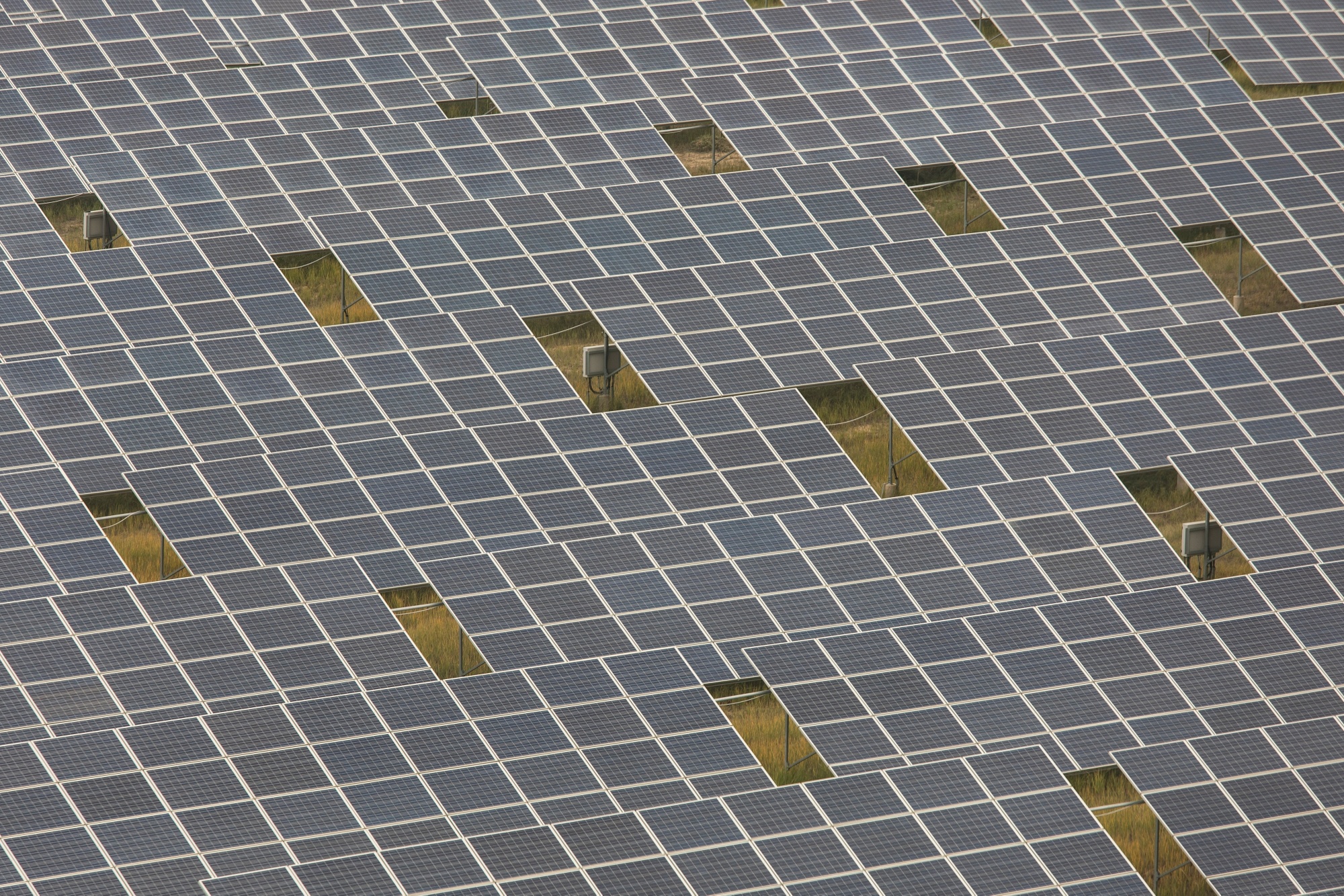
据彭博新能源财经报道,中国今年有望新增约 210 吉瓦的太阳能电池板,这比美国有史以来建造的太阳能电池板数量还要多,足以为英国提供两倍的电力。Photographer: Qilai Shen/Bloomberg摄影师:沉其来/彭博社
Bloomberg 2023年9月6日
China’s solar market is growing faster than its power system can handle in some places, creating constraints that could slow its world-leading pace of clean energy installations.
中国太阳能市场的增长速度超过了某些地方电力系统的承受能力,这造成了一些限制,可能会减缓其世界领先的清洁能源安装步伐。
Several local governments in China have begun limiting solar capacity and lowering power rates for daytime hours when photovoltaic generation is at its highest. The constraints are surfacing amid an unprecedented solar building boom, and highlight the problems electricity grids face in digesting large volumes of clean energy that are only available for a few hours a day.
中国多个地方政府已开始限制太阳能发电量,并降低光伏发电最高时段的白天电价。在空前的太阳能建筑热潮中,这些限制逐渐浮现出来,并凸显了电网在消化每天只能使用几个小时的大量清洁能源时所面临的问题。
Is China Solar Growing Too Fast?中国太阳能增长是否太快?
Breakneck growth in clean energy installations may hit speed bumps
清洁能源装置的飞速增长可能会遇到减速带
Source: BloombergNEF 资料来源:彭博新能源财经 Note: 2023 figure is a forecast
China is on track to add about 210 gigawatts of solar panels this year, according to BloombergNEF, more than the US has ever built and enough to power the UK twice over. But grid constraints are likely to slow that pace from next year, according to Zhong Baoshen, chairman of the world’s largest solar manufacturer, Longi Green Energy Technology Co.
据彭博新能源财经报道,中国今年有望新增约 210 吉瓦的太阳能电池板,这比美国有史以来建造的太阳能电池板数量还要多,足以为英国提供两倍的电力。但全球最大太阳能制造商隆基绿色能源科技有限公司董事长钟宝申表示,从明年开始,电网限制可能会减缓这一速度。
“Given the fast growth this year, grid constraints will keep popping up,” Zhong said during an earnings briefing on Tuesday. “The domestic market’s growth rate will slow next year and the year after, mainly because of the mismatch between the grid and renewables.”
“鉴于今年的快速增长,电网约束将不断出现,”钟在周二的财报发布会上表示。 “明年和后年国内市场的增速将会放缓,主要是因为电网和可再生能源之间的不匹配。”
The main culprit is a surge in installations on rooftops of homes and businesses driven by government support and attractive economics. That’s created too much generation in the middle of the day in provinces like Shandong, where the grid has been forced to introduce negative prices and ask owners to unplug their panels to avoid being overwhelmed.
罪魁祸首是在政府支持和有吸引力的经济推动下,家庭和企业屋顶安装量激增。这导致山东等省份中午发电量过多,电网被迫引入负电价,并要求业主拔掉电池板以避免不堪重负。
As installations grow, those problems are spreading. Ten of China’s 31 provinces have now introduced lower power rates during the middle of the day, Morgan Stanley analysts including Simon Lee said in a research note on Monday. In Shandong and Hebei, another strong rooftop market, local governments have capped solar capacity at 80% of what local transformers can handle, the analysts said.
随着安装量的增加,这些问题正在蔓延。西蒙·李(Simon Lee)等摩根士丹利分析师周一在一份研究报告中表示,中国 31 个省份中有 10 个省份已降低中午电价。分析师表示,在另一个强劲的屋顶市场山东和河北,地方政府已将太阳能发电容量限制在当地变压器容量的80%。
While lower rates benefit households and industry, solar developers get paid less for the energy they generate, which affects their incentives to invest.
虽然较低的利率有利于家庭和工业,但太阳能开发商为其生产的能源获得的报酬较少,这影响了他们的投资动力。
Although spending on energy storage to mitigate renewable energy’s intermittency is also growing, it’s nowhere near the pace of solar’s expansion. China has 17 gigawatts of grid-scale batteries in place, and local governments have signaled that level could more than quadruple to 73 gigawatts by 2025. But that pales besides the 1,135 gigawatts of solar BloombergNEF expects the country to have by then.
尽管用于缓解可再生能源间歇性的储能支出也在增长,但仍远不及太阳能扩张的速度。中国已拥有 17 吉瓦的电网规模电池,地方政府已表示,到 2025 年,这一水平可能会增加四倍以上,达到 73 吉瓦。但与彭博新能源财经预计中国届时将拥有 1,135 吉瓦的太阳能相比,这显得相形见绌。
“Solar is completely destabilizing the system in some places,” said Cosimo Ries, a Shanghai-based analyst at Trivium China. “The flexibility that the system needs with storage and other market mechanisms — they’re not there. So you’re going have to face these price volatilities, and whatever happens, you have to absorb the cost.”
Trivium China 驻上海分析师科西莫·里斯 (Cosimo Ries) 表示:“太阳能在某些地方完全破坏了系统的稳定性。” “系统在存储和其他市场机制方面所需的灵活性——它们不存在。因此,你将不得不面对这些价格波动,无论发生什么,你都必须承担成本。”