**The economy is having a rough time. But comparisons with Japan are unfair — to Japan. **
经济正经历困难时期。但与日本相比是不公平的。
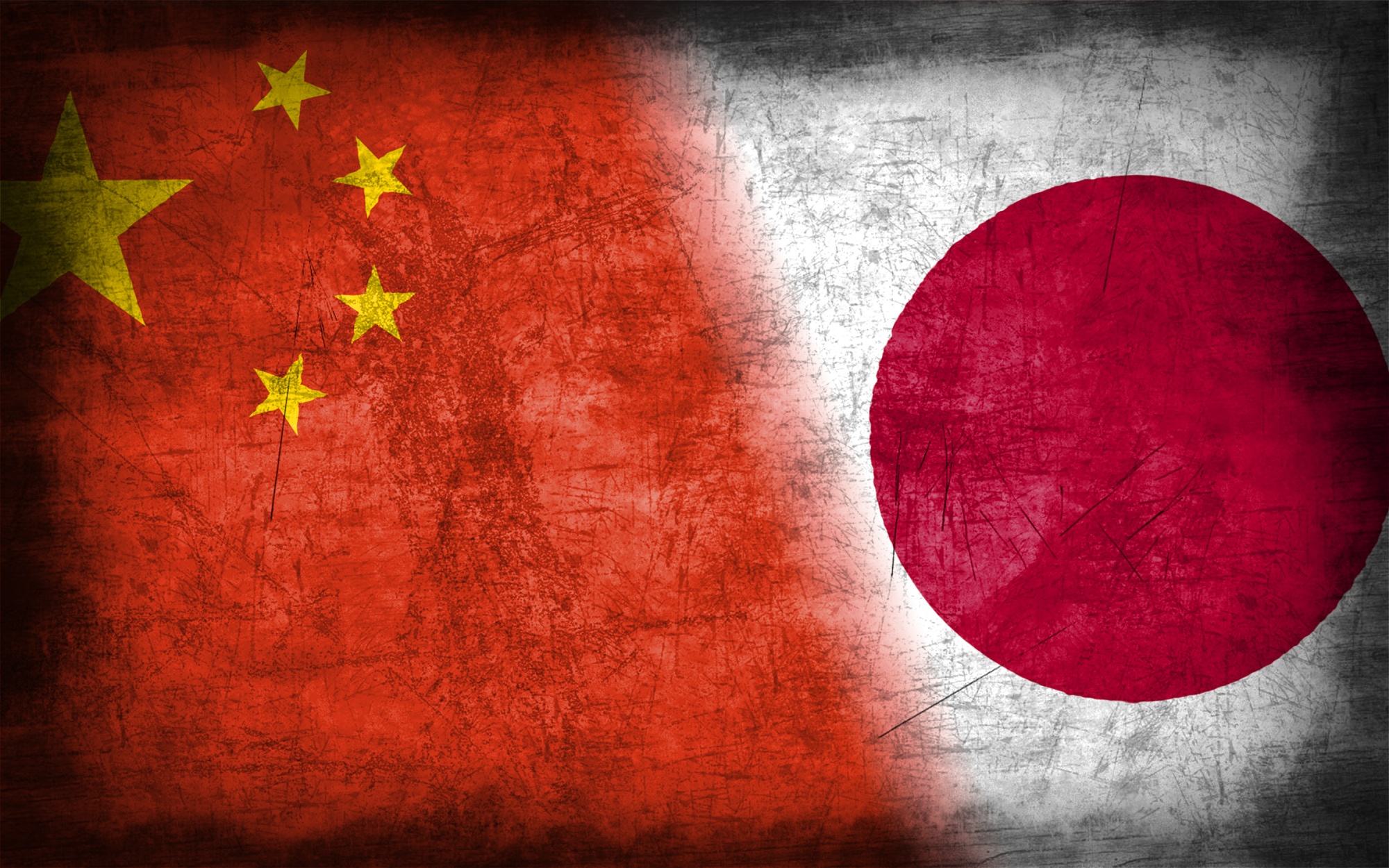
Same but different. 相同但又不同。
Photographer: btgbtg/iStockphoto via Getty Images 摄影师:btgbtg/iStockphoto 来自 Getty Images
By Gearoid Reidy and Daniel Moss 2023年8月30日 at GMT+8 04:00
The world is finally awakening to challenges that have been building in China for years. That means it’s open season among the commentariat on the country and its economy. Languishing growth has produced a slew of unflattering comparisons both with the US, and with the China that was — the juggernaut that attracted as much envy as unease.
世界终于意识到中国多年来面临的挑战。这意味着现在是对该国及其经济的评论的开放季节。疲软的增长引发了一系列与美国和中国的不讨人喜欢的比较——中国是一个令人羡慕和不安的强大国家。
But as China slips into deflation, one word is popping up more and more to describe the gloomy atmospherics: Japanification. The surface similarities with Japan of the early 1990s are there: a rickety real estate sector, a fast-aging population, and trade tensions with the US in a scrap for global dominance.
但随着中国陷入通货紧缩,一个词越来越多地出现来形容这种阴沉的气氛:日本化。从表面上看,日本与 20 世纪 90 年代初的日本有相似之处:房地产业摇摇欲坠,人口快速老龄化,以及与美国争夺全球主导地位的贸易紧张局势。
BloombergOpinionCNN Max Avoids the Mistakes of CNN+Keep Your Political Fingers Out of My Foie GrasLatin America Faces a Fossil Fuel RiddleGrayscale’s Bitcoin Win Is Still Only Half the Battle
For a generation, you could take one big idea about global economics to fashionable salons and not be laughed out of the room: China’s ascent was inevitable, and the product of the country’s unique qualities. Japan’s mismanagement of problems made it a cautionary tale to be avoided. There’s now a pile-on the other way. It’s too easy to assert that China is now headed down the same path as prices retreat and demand wilts.
对于一代人来说,你可以将关于全球经济的一个重大想法带到时尚沙龙,而不会被嘲笑出房间:中国的崛起是不可避免的,并且是该国独特品质的产物。日本对问题的管理不善使其成为一个必须避免的警示故事。现在另一边有一堆东西。我们很容易断言,随着价格回落和需求萎缩,中国现在正走上同样的道路。
Not only is China’s situation very different to that of Japan’s economic bubble, if the economy truly is at a tipping point (and that’s a big “if”), becoming like Japan might be the best possible outcome China could hope for. Japanification was never the nightmare scenario over-excited Asia watchers thought it was.
中国的情况不仅与日本经济泡沫时期的情况截然不同,如果经济真的处于临界点(这是一个很大的“如果”),变得像日本那样可能是中国所希望的最好结果。日本化从来都不是亚洲观察家所认为的过度兴奋的噩梦场景。
The word is often used as a pejorative, a shorthand for low growth, inflation and interest rates. But as the Nobel laureate Paul Krugman notes, “Japan, rather than being a cautionary tale, is a kind of role model.” It’s obvious in retrospect that there were demographic changes that Tokyo could never address: The post-war surge in working age population simply could not continue, regardless of what birthrate or immigration policies the country pursued.
这个词经常被用作贬义词,是低增长、通货膨胀和利率的缩写。但正如诺贝尔奖获得者保罗·克鲁格曼指出的那样,“日本不是一个警示故事,而是一种榜样。”回想起来,很明显,东京永远无法解决人口变化:战后劳动年龄人口的激增根本无法持续,无论该国奉行什么样的出生率或移民政策。
But Japan has, to date, managed a transition away from explosive growth with little social upheaval. Even at its worst, unemployment never rose above 6%; the suicide rate has dropped 40% in the last two decades; homelessness has been cut by 80%; there’s no drug problem that stalks the streets of so many western cities. The pork-barrel spending that was criticized by western economists in the 1990s means the country’s infrastructure is sparkling. Crime is low; healthcare universal.
但迄今为止,日本已经摆脱了爆炸式增长,几乎没有发生社会动荡。即使在最糟糕的情况下,失业率也从未上升到 6% 以上;过去二十年自杀率下降了 40%;无家可归者人数减少了 80%;在许多西方城市的街道上并不存在毒品问题。 20世纪90年代被西方经济学家批评的分桶式支出意味着该国的基础设施正在闪闪发光。犯罪率低;医疗保健普及。
Japanification Still Some Way Off日本化仍有一段路要走
China's getting old, but in per-capita terms, it's yet to get rich
中国正在老龄化,但人均尚未富裕

Source: International Monetary Fund 资料来源:国际货币基金组织
Regardless of what policies it implements going forward, China would do well to emulate this soft landing. While post-bubble Japan was chastised for not dealing forthrightly enough with problems in the financial and property sectors, public policy did evolve and was, at times, revolutionary. The Bank of Japan was the pioneer of zero interest rates and quantitative easing. Arguably, the BOJ didn’t get sufficiently aggressive until 2013, but when Ben Bernanke was looking to reflate the American economy in late 2008, someone had already been there. Bernanke had studied Japan’s experience with real-estate fiascos and made several speeches on the subject as an academic and Federal Reserve governor. Even after 2008, QE was a bad word among some of the economies that felt they had things figured out, principally Australia and New Zealand. But when Covid struck, they were eager subscribers.
无论未来实施什么政策,中国都应该效仿这种软着陆。尽管后泡沫时代的日本因没有足够坦率地处理金融和房地产部门的问题而受到批评,但公共政策确实发生了变化,有时甚至是革命性的。日本央行是零利率和量化宽松的先驱。可以说,日本央行直到 2013 年才变得足够激进,但当本·伯南克 (Ben Bernanke) 在 2008 年底寻求通货再膨胀时,有人已经这么做了。伯南克研究了日本房地产惨败的经验,并作为学者和美联储理事就该主题发表了多次演讲。即使在 2008 年之后,对于一些自认为已经解决问题的经济体(主要是澳大利亚和新西兰)来说,量化宽松仍然是一个坏词。但当新冠疫情来袭时,他们成为了热切的订阅者。
One key difference is public accountability. When public dissatisfaction sufficiently mounted in post-bubble Japan, voters could dump the long-ruling Liberal Democratic Party from power, as they did briefly in 1993 and again in 2009 (the opposition Democratic Party of Japan, now obsolete, was similarly punished in elections in 2012 that restored the LDP to power.) Much is made of the party’s post-war dominance of the political system, but it needs to stay keenly attuned to the public mood — witness current Prime Minister Fumio Kishida’s current struggles with an unpopular identification card scheme. Can one-party, election-free China find the same pressure valves?
一个关键的区别是公共责任。当泡沫后的日本公众的不满情绪充分高涨时,选民可能会将长期执政的自民党赶下台,就像他们在 1993 年和 2009 年曾短暂做过的那样(现已过时的反对党日本民主党在选举中也受到了类似的惩罚) 2012 年,自民党重新掌权。)该党战后在政治体系中的主导地位已经得到了很多关注,但它需要密切关注公众情绪——现任首相岸田文雄目前与不受欢迎的身份证的斗争就是见证方案。一党制、无选举的中国能否找到同样的压力阀?
One major challenge facing both countries is demographics. Japan’s low birthrate and graying population have long been on policymakers’ minds. When it was fashionable to deride Japan, subpar fertility was something to be wielded against the country, a sign that a kind of permanent twilight was settling over what’s still one of the world’s biggest economies.
两国面临的一项重大挑战是人口结构。日本的低出生率和人口老龄化问题长期以来一直困扰着政策制定者。当嘲笑日本成为一种时尚时,低生育率就成为了对该国的攻击,这表明一种永久的暮色正在笼罩着这个仍然是世界最大经济体之一的国家。
What doesn’t get nearly enough attention is that Japan isn’t doing too badly, relative to the neighborhood and advanced economies: The total fertility rate, the number of children a woman can expect to bear in her lifetime, fell to 1.26 last year. South Korea has it far worse at 0.78, as does Singapore, where the TFR dropped to 1.05. Japan’s is closer to Spain and Italy than to its neighbors. In China, the rate plummeted to 1.09 last year from 1.30 in 2020, according to a study by a government agency reported by Reuters and the Wall Street Journal. Japan almost looks hale by comparison.
但没有引起足够重视的是,相对于邻国和发达经济体,日本的表现并不算太差:总生育率(即女性一生中预计生育的孩子数量)去年降至 1.26 。韩国的情况要差得多,为 0.78,新加坡的 TFR 降至 1.05。日本与西班牙和意大利的距离比与邻国的距离更近。据路透社和《华尔街日报》报道,政府机构的一项研究显示,在中国,这一比率从 2020 年的 1.30 骤降至去年的 1.09。相比之下,日本看起来几乎很硬朗。
Hard as it is to believe now, as recently as the mid-1990s Japan was the US’s great economic bogeyman. Books like The Coming War With Japan or Zaibatsu America spoke of how Tokyo was set to take control of the western sphere of influence. For long-time skeptics of China’s model, the temptation to think this is a repeat and engage in schadenfreude is immense. How many lectures on the superiority of China’s approach did Western officials and executives visiting Beijing have to endure?
尽管现在难以置信,但就在 20 世纪 90 年代中期,日本还是美国最大的经济怪物。 《即将到来的对日战争》或《美国财阀》等书籍谈到了东京将如何控制西方势力范围。对于长期以来对中国模式持怀疑态度的人来说,认为这是一次重演并幸灾乐祸的诱惑是巨大的。访问北京的西方官员和高管必须忍受多少次关于中国做法优越性的说教?
Veering very far in the opposite direction should also be avoided. Japan, with its security dependent on the US, was never going to rule the world, no matter how many times you watched Rising Sun. Still, tales of its demise were over-exaggerated. Just like Japan, China is likely neither headed for global dominance nor set for collapse. If there’s a lesson to take away from this, perhaps it’s how some observers adopt a black-or-white view of countries that have many shades of gray.
还应避免向相反方向转向太远。日本的安全依赖于美国,无论你看多少遍《旭日》,它永远不会统治世界。尽管如此,有关其消亡的故事还是被过分夸大了。就像日本一样,中国既不会走向全球主导地位,也不会走向崩溃。如果要从中吸取教训的话,也许就是一些观察家对存在多种灰色阴影的国家采取非黑即白的观点。